
What Factors Affect Rear Windscreen Replacement Cost the Most?
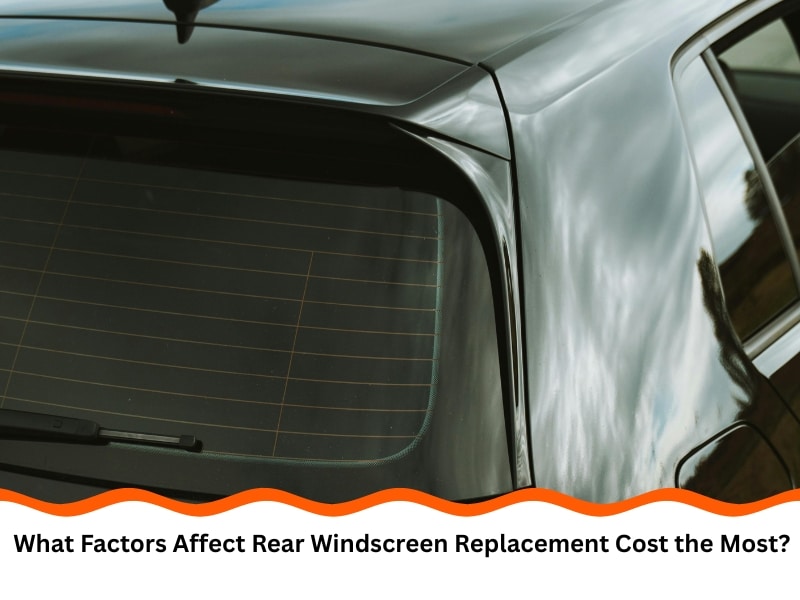
When your rear windscreen suffers damage, it can quickly become a hidden high‑cost repair and compromise safety. In this article, you’ll explore how the rear windscreen replacement cost is driven by multiple factors, including the type of vehicle, the extent of damage and regulatory requirements. This article explores those elements in detail so you can make sense of quotes, understand what’s driving the price and avoid surprises on your car repair bill.
Why does a damaged rear windscreen become a costly problem?
Rear windscreen damage often becomes costly because it triggers issues beyond the glass itself, including structural concerns, safety features, and complex parts. This can multiply expenses unexpectedly. Here are the key issues:
- If the windscreen’s supporting frame or seals are compromised, the repair cost escalates due to additional labour and parts.
- Damage that blocks your view or breaches safety requirements may render the car unroadworthy, requiring full glass replacement rather than a simple repair.
- In many modern vehicles, the rear glass may feature sensors, defrosting elements or embedded antennas, and failure to include these drives up the cost.
- If corrosion, rust or damage to surrounding bodywork is present, the job becomes more complex, increasing labour hours and materials needed.
Damage to a rear windscreen often triggers a domino effect of repairs and replacements that extend beyond what meets the eye. The sooner it’s addressed, the lower your outlay is likely to be.
How do small rear window cracks turn into expensive repairs?
Small cracks may seem minor, but they expand and intensify over time—especially with vibration, temperature changes, or water exposure—turning into major, costly damage. Here are the warning signs to watch:
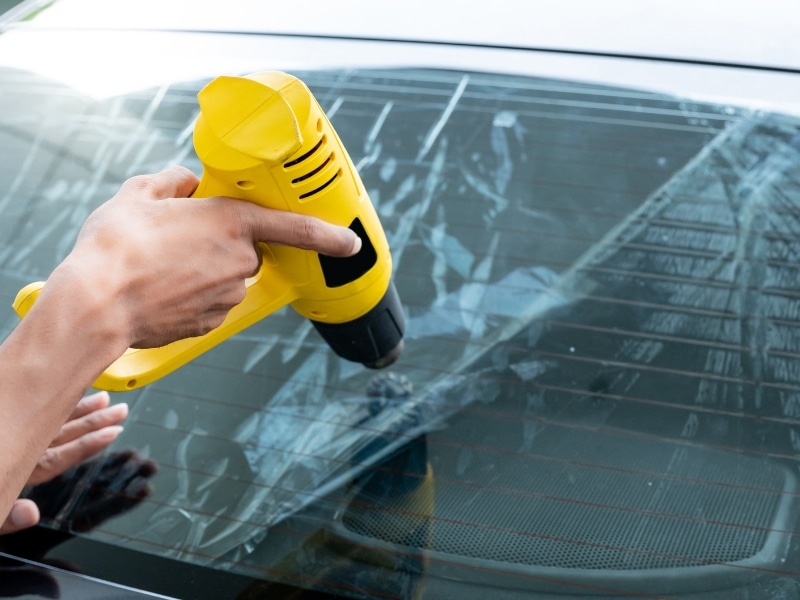
- A minor crack near the edge of the glass can grow rapidly under temperature changes or vibrations, meaning what seemed cheap can turn into a full replacement.
- Debris, moisture or wind pressure can exploit tiny fissures, causing internal delamination or glass separation that demands replacing the entire panel.
- If left untreated, the crack may compromise the rear windscreen seal, leading to leaks or structural failure and therefore adding cost for extra repair tasks.
- Even if only the rear glass appears affected, the vehicle may need recalibration of safety sensors or adjustment of surrounding trim, which increases the total cost.
What starts as a tiny flaw can spiral into a full-scale replacement job. Acting early helps you avoid costly repairs and keeps your rear windscreen safe and compliant.
Could ignoring rear glass damage increase rear windscreen replacement cost?
Ignoring glass damage leads to bigger problems because cracks spread and affect surrounding systems. What’s minor today can demand full replacement tomorrow, raising costs significantly. Here are the consequences of delay:
- Glass that is chipped or cracked can enlarge over time, turning a simple fix into a full replacement job with a higher cost.
- Damage close to safety sensors or electronic systems may lead to malfunction or misalignment, which then requires additional calibration or component replacement.
- Leaving compromised seals or insulation unchecked may cause water ingress, corrosion or rust damage, all of which add further repair scope and cost.
- When structural elements around the rear glass degrade, the cost isn’t just the windscreen but the surrounding panels, adhesives and labour hours.
Delaying repairs not only raises costs but also threatens the reliability of your car’s safety features. Timely attention saves money and avoids unnecessary complications. Many drivers don’t realise that delays may also put them in breach of vehicle safety and compliance standards in NSW.
What key elements determine rear windscreen replacement cost?
The rear windscreen replacement cost involves more than the glass price—it reflects your car type, the technology it uses, and the quality of materials you choose. Here are the main cost drivers and how they influence pricing:
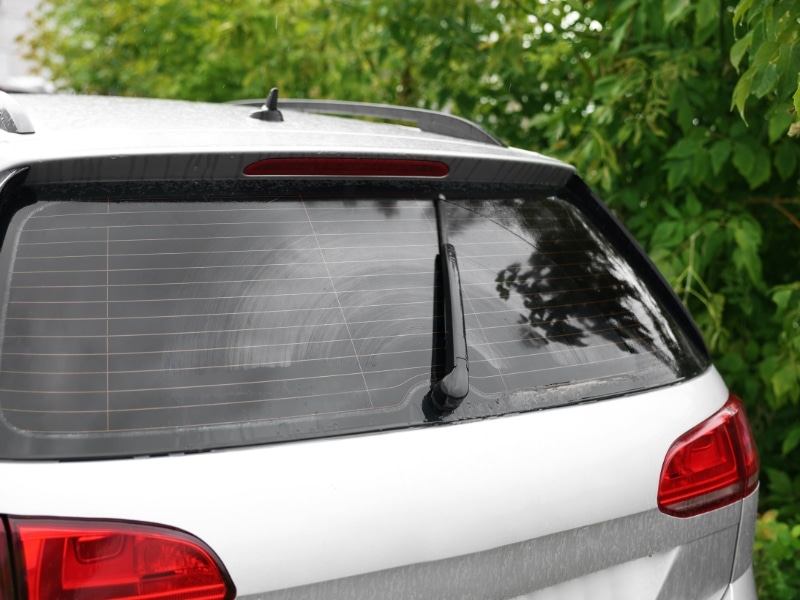
- Make, model and year of the vehicle: Vehicles with premium features, curved glass or rare parts typically command a higher cost.
- Technology embedded in the glass: If the rear windscreen includes defrosters, antennas or safety sensors, then the replacement becomes more complex and expensive.
- Glass type and quality (OEM vs aftermarket): Original Equipment Manufacturer (OEM) glass tends to cost more than standard or aftermarket options, reflecting higher compatibility and fit.
- Extent and location of damage: If damage is deep, spans a large area or lies in a structural zone, it quickly elevates cost compared to a simple chip repair.
Knowing what shapes the cost helps you make informed decisions. Whether it’s the sensor tech or the glass shape, each element has a price tag worth understanding. You can compare high-quality windscreen replacement solutions to see how these factors play out across different vehicle types.
| Cost factor | Impact on cost |
| Vehicle make/model | Higher-end = higher cost |
| Embedded glass technology | More sensors/features = more cost |
| Glass quality | OEM premium vs aftermarket savings |
| Damage severity | Larger or structural damage raises the cost |
| Service location/labour | Metro vs regional areas may differ |
Which preventive steps reduce rear windscreen replacement costs over time?
The best way to manage cost is to prevent damage in the first place. Smart habits and quick responses help keep glass issues small and inexpensive. Here are effective prevention measures:
- Regularly inspect the rear glass for small chips, cracks or signs of stress and arrange prompt assessment to avoid escalation.
- Avoid tailgating or driving too close behind large trucks where loose debris might strike and damage the rear windscreen.
- Service the vehicle to check seal and body integrity issues around the glass, especially if it’s older or has faced harsh weather.
- Choose a qualified installer when any minor repair is done to avoid poor work that could worsen the problem or compromise sensor alignment.
Prevention costs less than repair. Staying proactive with glass care and road habits reduces the odds of needing a full windscreen replacement in the future. Many drivers unintentionally raise their risk due to common mistakes drivers make after glass replacement, like using their vehicle too soon.
Why should you trust a professional for rear glass replacement?
Trusting a pro means safe installation, accurate calibration, and a job done to standard—which prevents extra costs or legal issues down the road. Here are why professional service is non‑negotiable:
- Professionals use correct adhesives and curing methods so the rear windscreen contributes to the structural strength of the vehicle as intended.
- They ensure that any integrated sensors or systems embedded in the glass function correctly, which protects your safety and avoids future recalibration costs.
- Skilled technicians inspect and align seals and finishes carefully to prevent leaks, wind noise, or glass movement that can affect ride quality.
- A reliable installer typically guarantees their work, which offers peace of mind and ensures long‑term value rather than a ‘cheap now, expensive later’ fix.
A professional ensures the glass fits, seals and functions properly—helping you avoid added expense or safety issues after the job is done. In some cases, the condition of the damage leaves no room for repair—especially with types of windscreen cracks that need full replacement due to size, location or structural risk.
Final thoughts on rear glass replacement
You only need to make this repair once—so make it count. When you learn how Windscreen Replacers ensures precision in every replacement, you invest in quality, safety and savings in the long run. Cheap fixes often lead to costly rework. Choose smart, act early, and avoid surprises.