
How Long Does Temporary Windscreen Repair Last?
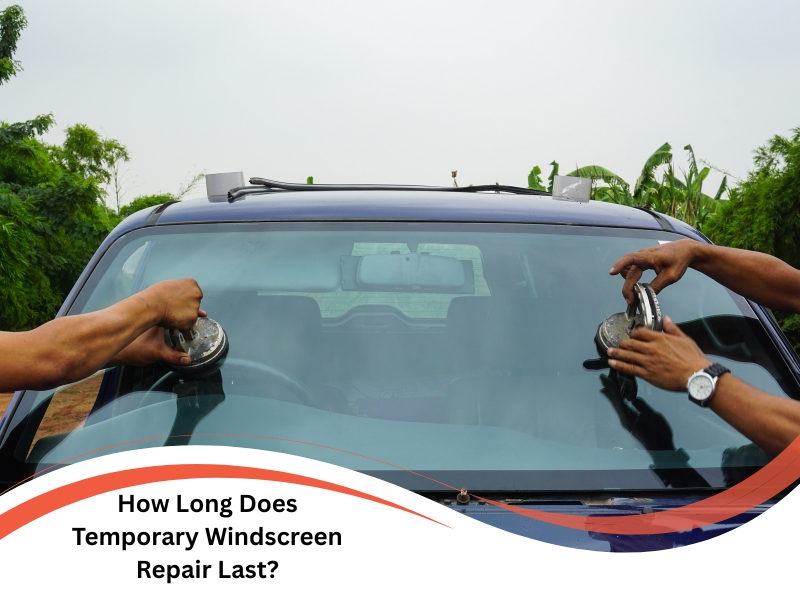
Temporary windscreen repair typically lasts a few days to several weeks, depending on the severity of the damage and driving conditions. These short-term fixes are not designed for longevity; rather, they’re meant to prevent further damage until a full replacement or permanent repair can be arranged. They can fail faster under stress, heat, or poor weather. It’s crucial to understand the risks and limitations associated with temporary solutions. This article explores how long temporary windscreen repairs last and what factors can affect their effectiveness.
What causes windscreen cracks and chips in cars and trucks?
Windscreen cracks and chips usually occur from sudden external impacts, vibrations, or structural weakness in the glass. These issues often arise unexpectedly, even in everyday driving. Here are the common reasons why windscreens suffer damage:
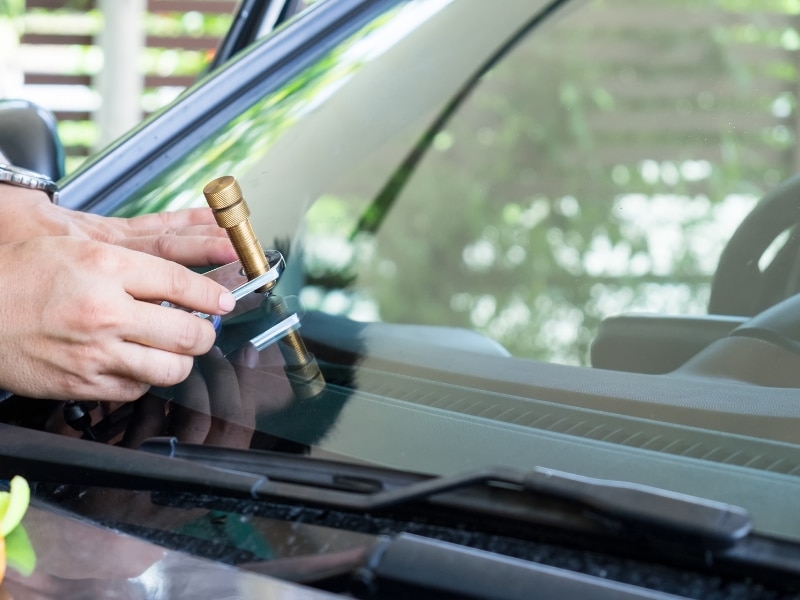
- Loose gravel or debris flung up by other vehicles can strike your windscreen at high speed, causing immediate chips or small cracks.
- Rapid temperature changes — like pouring hot water on a frosty screen — can create tension in the glass and lead to cracking.
- Body flex or chassis movement over time can stress the glass, especially if the windscreen was not installed correctly or the vehicle has frame wear.
- Existing microfractures left untreated can grow rapidly due to vibration, causing larger and more costly damage later.
Understanding these causes helps highlight why windscreen chip repair is best done professionally and promptly.
Why a temporary windscreen repair might not hold up for long
Temporary windscreen repair doesn’t last long because it’s a surface-level solution that doesn’t restore the glass’s full integrity. It’s simply a way to delay further damage while you arrange permanent repair. Here are the factors that weaken temporary repairs quickly:
- Changes in cabin pressure while driving, especially at higher speeds or on highways, can stress the glass and reopen repaired sections.
- UV exposure and rain can degrade resin-based repairs faster than expected, especially if they weren’t cured correctly.
- Road vibrations from daily driving gradually loosen temporary fillings, making cracks spread despite the repair.
- Humidity trapped under the repair patch can make it peel or fog up, reducing visibility and stability.
These short-term fixes are never a substitute for a same day windscreen replacement option, which ensures roadworthiness and long-term safety.
How daily driving and temperature shifts weaken temporary fixes
Daily driving and environmental changes impact temporary windscreen repairs by introducing variables that temporary materials can’t always withstand. This leads to premature failure. Here are the ways external conditions wear down the repair:
- Continuous sun exposure can expand the windscreen material, weakening patch adhesives and altering crack size.
- Morning dew or interior fogging can cause moisture buildup under the surface layer of the repair, making it prone to lifting.
- High-speed driving over potholes causes pressure shifts across the windscreen, disturbing the alignment of resin-filled cracks.
- Freezing nights followed by warm days create thermal expansion and contraction, which is particularly bad for unreinforced glass.
In such cases, proper windscreen crack repair becomes urgent to avoid legal and safety issues.
Here’s a comparison of repair types and how long they typically last:
| Repair Type | Average Lifespan | Suitable For | Risk of Failure |
| Temporary DIY resin patch | 3–14 days | Small chips and emergency fixes | High if not sealed |
| Mobile repair technician | 1–3 months | Minor cracks | Moderate durability |
| Full windscreen replacement | 5–10 years | Major cracks or safety concerns | Low if OEM used |
How to protect a chipped windscreen until professional repair
The best way to protect a chipped windscreen is to stabilise the damage and avoid stressors until permanent repair is scheduled. Leaving the chip exposed increases the risk of crack spread. Here are the effective ways to protect the glass in the meantime:
- Apply clear tape over the chip to keep out water and dirt while preventing temperature exposure.
- Avoid slamming doors, which sends shockwaves through the glass and may worsen the chip.
- Drive cautiously, steering clear of unsealed roads or speed bumps that might cause pressure cracks to grow.
- Park in shaded areas or use a windscreen sun shield to limit thermal strain during hot days.
If the crack worsens despite these steps, it’s worth knowing why car windows shatter suddenly so you can identify potential risks early.
When should you replace a car or truck window instead of repairing it?
You should replace a car or truck window when the damage is larger than a dollar coin, within the driver’s line of sight, or if cracks extend to the edge of the glass. Repairs are only safe within a limited damage range. Here are the signs you should opt for a full replacement:

- Spiderweb-style cracks radiating from a single point weaken the glass structurally and can’t be repaired.
- Edge cracks compromise the seal between the glass and vehicle frame, requiring complete removal.
- Double-layered glass damage on both surfaces makes it unsafe to drive, even if the crack seems small.
- Previous unsuccessful repairs that reopen or cloud over mean the structural integrity has been compromised.
These situations raise not just safety concerns but also cost factors, making it essential to understand window replacement costs for vehicles before deciding.
How vehicle glass safety standards help reduce repair frequency
Vehicle glass safety standards minimise the need for frequent repairs by ensuring tougher materials and better installation processes are used. These rules help reduce accidents and strengthen windscreen performance. Here are the ways safety standards benefit long-term glass durability:
- Toughened and laminated glass must meet minimum impact resistance benchmarks before use in Australian vehicles.
- UV-resistant coatings are now standard on many windscreens, reducing material breakdown and crack development.
- Certified technician installations follow precise torque and sealant rules to prevent future leaks or stress damage.
- Mandatory defect inspections ensure that vehicles with visible cracks can’t pass registration unless repaired.
This makes it easier to understand the value of consistent vehicle glass safety standards enforced across NSW and nationwide.
Final thoughts on temporary windscreen repair for all vehicles
Temporary windscreen repairs offer a short-lived solution that can prevent minor chips from becoming major problems — but they are no substitute for professional intervention. If you’re driving with a damaged windscreen, prioritise safety and consider permanent repair or replacement as soon as possible. For lasting results, seek expert help from Windscreen Replacers, who specialise in safe and timely solutions for all vehicle types.