
How Often Should You Replace Wipers in Sydney’s Conditions?
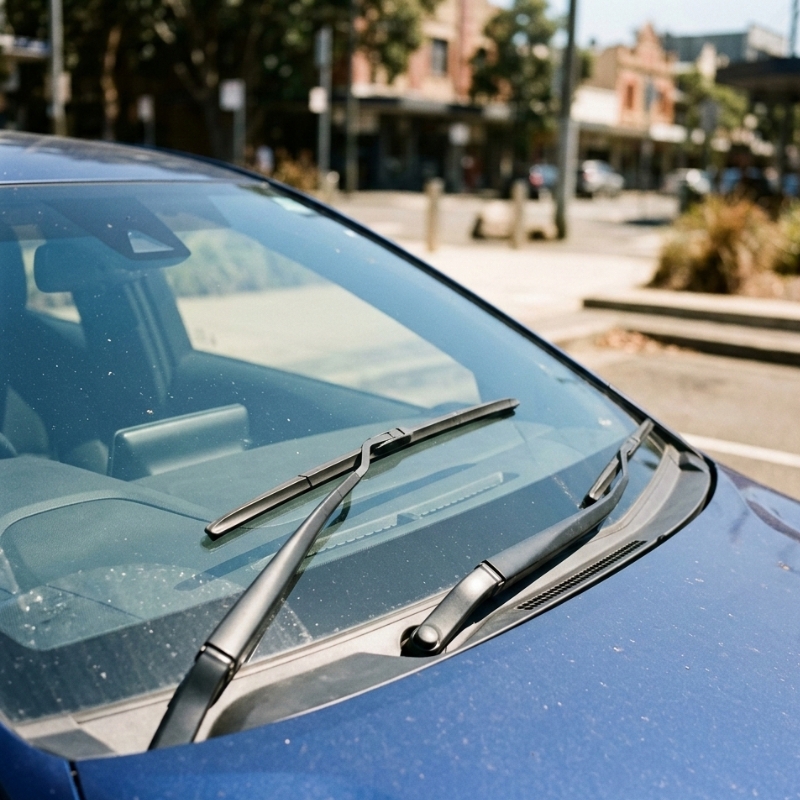
Sydney drivers tend to replace wipers in one of two ways: either they swap them on a tidy schedule… or they wait until the first proper downpour of the season and realise visibility has gone to pieces.
The reality sits in the middle. Wipers don’t “fail” on a calendar date, but Sydney’s mix of UV exposure, salty air in coastal corridors, motorway grime, and sudden heavy rain means they can wear out faster than you expect, even if you don’t use them every day.
This guide gives you a simple replacement rhythm for Sydney, the signs that matter, and a few quick checks that often fix poor performance without guesswork. If you do decide it’s time, your next step can be as simple as arranging a wiper blade replacement when it suits you.
The short version Sydney drivers can follow
Most manufacturers and wiper suppliers commonly suggest a general replacement window of around 6–12 months, with “sooner if performance drops” as the real rule.
A Sydney-friendly approach looks like this:
• Check performance monthly (it takes 30 seconds)
• Plan for replacement around every 6–12 months
• Replace earlier if you notice streaking, smearing, skipping, chatter, or damaged rubber
That sounds broad, but it becomes practical once you match it to how and where you drive.
Why Sydney conditions can wear wipers faster than you think
UV and heat age the rubber (even when you barely use the wipers)
In Sydney, wipers spend a lot of time parked against hot glass. Rubber can harden and lose flexibility from sun exposure and heat cycling. When that happens, the blade edge stops conforming to the windscreen, and you get smears and missed patches.
A common surprise: “But I hardly ever use my wipers.” You don’t need high usage for rubber to perish. Time, sunlight, and heat do the job.
Coastal air and salt haze are real factors in many suburbs
If you drive or park regularly around coastal areas, fine salt residue can build up on the windscreen. That residue acts like mild abrasive grit when the wipers run, accelerating edge wear and leaving a hazy film that makes streaking look worse.
Motorway grime, tunnel dust, and wet road spray are brutal on clarity
Sydney commuting often means major roads with heavy spray. Road film builds fast, especially when it’s humid or lightly drizzling. Wipers then smear the film instead of clearing it, and drivers assume the blades are “dead” when the real culprit is the windscreen surface.
Sudden downpours punish borderline wipers
Sydney rain often arrives as intense bursts. If your blades are even slightly hardened or nicked, that kind of rain exposes every weakness immediately: skipping, juddering, and the dreaded half-cleared arc right in your line of sight.
A practical replacement schedule for Sydney
Think in terms of “inspect monthly, replace when performance drops,” with a rough timing guide to keep you ahead of the weather.
If you park outside most days
• Expect closer to 6 months, sometimes up to 9 months
• UV exposure is the main factor
If you park undercover and mostly do city/suburban driving
• Expect 9–12 months if performance stays clean
• Still inspect monthly, because a single hot summer can accelerate wear
If you do lots of motorway kilometres (M1, M2, M4 corridors) or frequent rain driving
• Expect 6–9 months
• Film and spray mean your blades work harder even in light rain
If you’re near the coast or regularly do beach runs
• Expect 6–9 months
• Salt haze and fine grit can chew up the wiping edge faster
These aren’t hard rules. They’re a way to stop “set-and-forget” wipers from sneaking up on you.
The 7 signs your wipers are due (and what each one usually means)
1) Streaking
You see lines of water left behind, usually in the same places each sweep.
Most likely causes:
• Worn blade edge or hardened rubber
• Contaminants on the glass or blade edge
2) Smearing or foggy-looking wipe
Instead of clearing, it drags a translucent film across the windscreen.
Most likely causes:
• Windscreen film (traffic grime, wax residue, oily haze)
• Rubber edge contaminated with sap/bug residue
• Blade rubber degrading
3) Skipping or “jumping” across the glass
The blade doesn’t glide smoothly; it bounces along.
Most likely causes:
• Rubber hardened from heat/UV
• Windscreen surface contamination
• Incorrect blade angle or uneven pressure
4) Chatter or squeaking
That juddery vibration and noise that makes the whole car feel like it’s complaining.
Most likely causes:
• Dry glass + hardened rubber
• Dirty windscreen or blade edge
• Wiper arm alignment/pressure issues
5) Missed patches right in your eyeline
A dangerous “blind spot” remains wet or smeared.
Most likely causes:
• Damaged edge (nicks/tears)
• Uneven pressure from the wiper arm
• Blade not matching the windscreen curvature properly
6) Visible cracking, splitting, or chunks missing
This one is straightforward: the rubber edge is physically compromised.
7) The first wipe after the washer spray is still terrible
If you use the washers and the wipe is still smeary, it’s often either:
• Poor washer fluid mix / empty reservoir
• Blocked jets
• Windscreen film that needs a proper clean
• Or, yes, blades past their best
As a general reference, wiper suppliers commonly list streaking, smearing, and noise as key signs.
Q&A: “Is it really unsafe to drive with bad wipers?”
If your wipers don’t clear effectively, your stopping distance and hazard detection can take a hit fast in rain, spray, or night glare. It’s not just comfort — it’s visibility.
In Australia, design standards for vehicles with windscreen include requirements around having a windscreen wiping system and a washer system capable of directing water onto the swept area.
At a practical, everyday level, NSW Government roadworthiness guidance explicitly calls out regularly checking that your windscreen wipers and washers are working.
Before you replace: 3 quick checks that often fix “bad wipers”
You can save yourself money (and frustration) by ruling out the common impostors.
1) Clean the windscreen properly (not just a quick wipe)
A windscreen can look clean and still have an invisible film that causes smearing and chatter.
Try this:
• Wash with automotive glass cleaner (or a mild car-safe detergent)
• Rinse thoroughly
• Dry with a clean microfibre dedicated to glass (not one that’s been on waxy panels)
If you suspect wax or polish residue (common after detailing), do a second pass and pay attention to the area the blades sweep.
2) Clean the blade edge
Gently wipe the rubber edge with a damp cloth. If the cloth comes away black, that grime was going straight back onto your glass.
If the blade improves for a day, then returns to streaking, that’s often a sign the rubber is degrading and shedding.
3) Check washer fluid and jets
• Ensure the reservoir isn’t just topped up with plain water (which can be less effective against oily film)
• Confirm jets aren’t blocked or mis-aimed
If these checks don’t improve things, it’s usually time to replace worn wipers rather than battling the same streaks every rainy week.
How to make wipers last longer in Sydney
You won’t turn a 6-month blade into a 3-year blade, but you can noticeably extend useful life.
Keep the windscreen clean (especially after long motorway drives)
Road film is the silent killer. A cleaner screen reduces friction and prevents the blade edge from grinding contaminants back and forth.
Don’t run wipers on a dry windscreen
That dry scrape accelerates edge wear. If the screen is dusty or salty, use the washer spray first.
Lift wipers during long, hot parking periods (only if safe to do so)
On very hot days, taking pressure off the rubber can help reduce permanent “set” in the blade edge. Just be mindful of wind: a snapped-back wiper arm can chip glass.
Replace when performance drops, not when it’s completely hopeless
Once a blade edge is torn or hardened, it can start scoring the windscreen with fine micro-scratches over time (especially if grit is present). You want to change them before they get to that point.
Refills vs full blades: what’s worth it?
Some vehicles allow rubber inserts (refills), while others use integrated blade designs. If refills are an option for your car, they can be economical, but the frame and pressure points still matter.
As a general rule:
• If the frame is in good condition and the wipe is even, a refill may be fine
• If you have uneven pressure, skipping, or a worn frame, a complete blade assembly is usually the better reset
If you’re unsure, a simple wiper maintenance check (even a quick look over) can save you from buying something that won’t solve the real issue.
Q&A: “Why are my wipers worse at night?”
Night driving makes every smear look brighter because of oncoming headlights and street lighting. A slightly oily film that’s barely noticeable in daylight can turn into a glowing haze at night.
If night glare is your main complaint:
• Deep-clean the windscreen first
• Then reassess wiper performance
• If the haze remains in the swept area, blades are often past their best
A simple monthly checklist (30 seconds)
Do this at the start of each month or before a wet week:
• Run washers for 2–3 seconds
• Check if the first wipe clears cleanly
• Listen for chatter or squeak
• Look for streak lines or missed patches
• Visually inspect rubber for cracks or splits
If any of those show up consistently, put replacement on your near-term list.
FAQ
How often should I replace wipers in Sydney?
A practical Sydney range is usually every 6–12 months, with earlier replacement if you notice streaking, smearing, skipping, chatter, or visible rubber damage. UV exposure, coastal residue, and motorway grime can push you closer to the 6-month end.
I don’t use my wipers much — can they still wear out?
Yes. Rubber can harden and crack from the sun and heat, even if the wipers are rarely used, especially when parked outside.
Why do my new wipers still smear?
Common causes include:
• Windscreen film (traffic grime, wax residue)
• Dirty washer fluid or blocked jets
• Incorrect blade type for the vehicle
• Wiper arm pressure/alignment issues
Do I need to replace both wipers at the same time?
Usually, yes. If one is worn, the other is often close behind, and matching performance left-to-right helps maintain a consistent view in the rain.
What’s the quickest way to tell if it’s time?
If the washer spray plus one full wipe still leaves streaks or haze in your eyeline, and cleaning the glass/blade edge doesn’t help, replacement is the simplest fix.
Are wipers and washers part of roadworthiness expectations in NSW?
NSW roadworthiness guidance includes regularly checking that windscreen wipers and washers are working.