
Is It Legal to Drive With a Cracked Windscreen in NSW? What Drivers Should Know
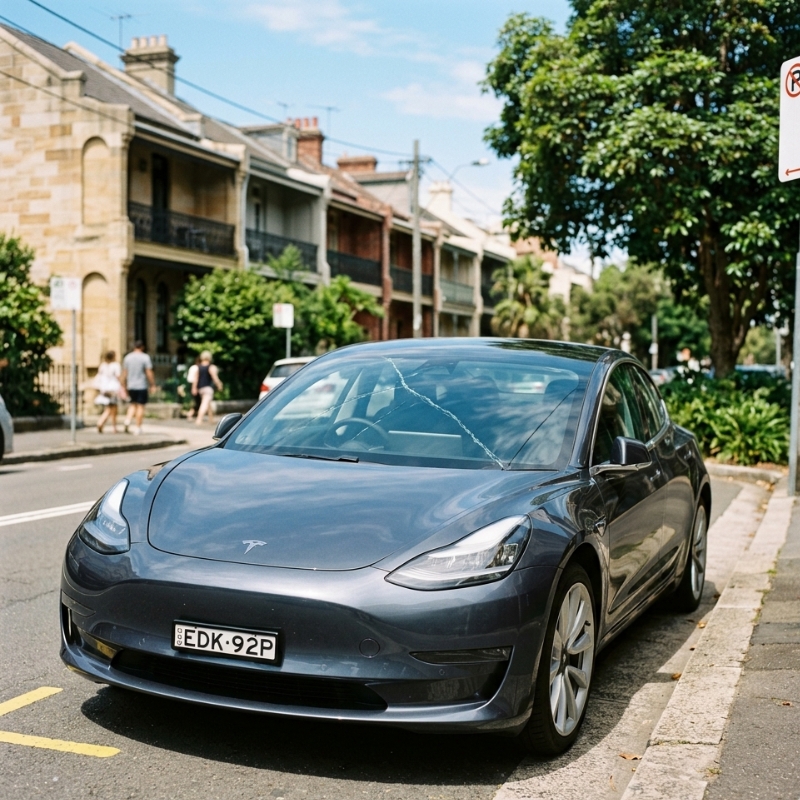
A cracked windscreen is one of those issues that can start as a tiny chip and end up as a long, distracting line right through your field of view. In NSW, the “Is this legal?” question usually isn’t about one universal crack size that’s always allowed or always illegal. It’s about whether the damage makes your vehicle unsafe or unroadworthy — especially if it affects visibility, creates glare, or compromises the windscreen’s integrity and leads to the need for windscreen replacement.
If you’re driving around Sydney, you’ve got a perfect storm of crack accelerators: hot sun, sudden A/C blasts, motorway speeds, tunnels, roadworks, and plenty of heavy vehicles flicking up debris. This guide breaks down what matters most, how to assess risk quickly, and what to do next if the crack appeared today.
The NSW “legal” question is really a roadworthiness question
Most everyday conversations go like this: “Is it illegal to drive with a cracked windscreen?” The practical version is: “Is it still safe and roadworthy to drive this car right now?”
NSW roadworthiness expectations focus heavily on safety and visibility. If windscreen damage interferes with your view, causes distortion, or creates glare, it can push your vehicle into “unsafe” territory — regardless of whether the crack started small.
For the official roadworthiness overview (useful if you want to read the rules in black and white), here’s the NSW Government page: NSW Government roadworthiness information.
What tends to make a cracked windscreen “risky” in the real world
Even without getting lost in technicalities, these are the factors that generally increase the chance of trouble:
• The crack sits in the driver’s natural line of sight
• It creates noticeable glare at night or in tunnels
• It causes distortion (objects look warped or “wavy”)
• The crack is spreading, branching, or running from an edge
• There are multiple chips/cracks in the swept area of the wipers
• Wet weather makes visibility worse because water collects along the crack line
Q&A: “So is it legal or not?”
If the crack doesn’t affect visibility and the vehicle remains safe, some drivers keep driving for a short period. But once a crack starts interfering with your view (or becomes a glare problem), you’re moving into unsafe territory. If you’re unsure, treat it as urgent — because a “maybe” becomes a “definitely unsafe” very quickly once conditions change (rain, night driving, motorway speeds).
What NSW Police and inspections generally look for
There’s no single outcome that applies to every stop or every inspection, but the same safety themes show up repeatedly: visibility, glare, distortion, and the likelihood that the windscreen is compromised.
Visibility matters more than crack length
A short crack in the corner can be less distracting than a small crack right where your eyes track lane markings and brake lights. That’s why two windshields with the “same size” damage can be treated differently based on position and effect.
Glare is a bigger deal than most drivers expect
Sydney drivers often say, “It’s fine during the day.” Then they drive at night and realise:
• Headlights create starbursts through the crack
• LED streetlights flare and “smear”
• Tunnel lighting exaggerates the fracture lines
• Rain + glare can make lane lines hard to read
If glare makes it harder to judge distance or lane position, that’s not just annoying — it’s a safety issue.
Q&A: “Can I be fined for a cracked windscreen in NSW?”
It can happen if the damage is considered a safety defect or makes the vehicle unroadworthy — particularly if it impacts visibility, creates glare/distortion, or looks likely to worsen. Outcomes depend on what’s observed at the time and how the defect is assessed, so it’s safest to avoid driving when the crack is in your view or actively spreading.
A Sydney driver’s 3-minute self-check (before you decide to drive)
If you need to make a call today — school run, commute, appointment — use this quick assessment. It’s not a legal ruling, but it helps you decide what’s safe.
1) Do a “normal driving” visibility test
Sit in your usual driving position and look through the damaged area at:
• a distant street sign
• lane markings on the road
• a car parked across the street
• a traffic light
If the crack causes noticeable distortion or blurring, assume it’s unsafe.
2) Do a glare test (especially if you’ll drive at night)
If it’s daytime, you can simulate glare by changing angles and looking toward bright reflections (not directly into the sun). At night, even small fractures can become major glare sources.
If you already know you’ll be driving through tunnels or after dark, be conservative. Cracks that seem “fine” can become hazardous fast.
3) Check the crack type and where it started
Some crack patterns are more likely to spread:
• Edge cracks (starting near the outer border)
• Long line cracks that run horizontally
• Star breaks or spider cracks with multiple fracture lines
• Cracks that cross into the driver’s viewing area
4) Ask one simple question: “Would I want to be behind the wheel in sudden rain?”
Sydney’s weather changes quickly. If you wouldn’t trust that windscreen in a downpour with wipers going, treat the situation as urgent.
Q&A: “If it cracked today, can I drive it to get checked?”
Sometimes drivers choose to drive a short distance carefully if the crack is not in the driver’s view and isn’t causing distortion or glare. But if the crack is in your line of sight, actively spreading, or creating glare, the safer call is not to drive.
If your assessment is leaning toward “this is getting risky,” you may be at the point where it’s smarter to replace a cracked windscreen rather than trying to squeeze in a few more days and hoping it doesn’t worsen at the wrong time.
Why does windscreen damage spread faster in Sydney’s weather
Sydney conditions are notorious for turning a “small chip” into a long crack. You don’t need extreme storms for it to happen — everyday factors are enough.
Rapid temperature swings (the biggest Sydney culprit)
One of the most common crack accelerators is thermal stress:
• Car sits in direct sun (glass heats up)
• You hop in and blast cold A/C onto the windscreen
• You drive into shade, underground parking, or a tunnel
• You hit stop-start traffic, and the windscreen temperature changes again
Glass expands and contracts with temperature. A crack is a weak point, and thermal stress can lengthen it.
Motorway speed + vibration
Sydney’s motorways and arterials (plus patchy road surfaces and roadworks transitions) add:
• constant vibration
• body flex over uneven sections
• wind pressure at speed
• occasional pothole impacts
That combination can “walk” a crack outward from a chip.
Roadworks and heavy vehicles
Sydney has ongoing infrastructure work, and heavy vehicles can flick up:
• small stones
• loose aggregate
• bits of road debris
Even if you’re driving carefully, the strike risk is higher behind trucks and in construction zones.
Tunnels and night driving make cracks feel worse
Sydney tunnels and night driving don’t necessarily spread the crack physically, but they expose the visibility risk:
• harsh point lights + fracture lines = glare and starbursts
• wet tunnels + reflective surfaces amplify it
• your eyes fatigue faster when constantly “filtering” glare
If you want a plain-English breakdown to share with someone who keeps saying “it’s fine,” you can refer to why windscreen damage spreads faster in Sydney weather.
How cracks typically grow (and what makes them worse)
Understanding how a crack behaves helps you predict urgency.
Common crack patterns you’ll see
• Short line crack from a chip (often grows over days)
• Star break/spider crack (glare-heavy, multiple fracture lines)
• Edge crack (often spreads quickly)
• Long-running crack (can expand across the windscreen)
What speeds up crack growth
These are very common in Sydney day-to-day driving:
• driving over potholes or harsh speed bumps
• slamming doors (pressure change inside the cabin)
• blasting demister or A/C onto hot/cold glass
• heavy rain with wipers dragging across the damaged area
• sudden water temperature changes when washing the car
Q&A: “Do DIY tricks stop cracks from spreading?”
At best, DIY tricks might slow things briefly. They don’t restore safety or visibility. If the crack is in your line of sight, creating glare, or spreading, treat it as time-sensitive.
Pink slip reality: Can a cracked windscreen fail an eSafety check?
A pink slip (eSafety check) is about whether your car is safe at the time of inspection. Windscreen condition is a common reason vehicles get flagged, mainly because it directly affects visibility.
Cracks or chips are more likely to cause issues when they:
• sit in the driver’s main viewing area
• create noticeable distortion or glare
• are large, long, or clearly spreading
• involve multiple defects that reduce visibility together
Q&A: “I’ve got rego renewal soon — should I wait?”
If the crack is near your view or spreading, waiting is often what turns a manageable issue into a bigger problem at the worst time (rain, night driving, motorway run). It’s generally less stressful to handle it before an inspection deadline.
What to do if your windscreen cracks while driving in Sydney
This happens more often than people think: a stone taps the glass, then a line appears.
The safest immediate steps
• Keep your steering steady — don’t swerve
• Increase following distance (especially behind trucks)
• Avoid blasting cold air straight onto the windscreen
• If possible, reduce speed and move onto smoother roads
• Pull over safely and assess visibility before continuing
When you should not keep driving
It’s safest not to drive if:
- The crack sits in your line of sight
• glare makes lane markings hard to see
• The crack is spreading quickly
• The crack runs from an edge or has branching lines
• Rain or night conditions are likely
If you’ve hit that threshold, it’s usually smarter to organise windscreen replacement in Sydney before the crack spreads across your viewing area (or becomes dangerous in wet weather).
Does a cracked windscreen affect airbags or driver-assist systems?
A windscreen isn’t just a “window.” It contributes to safety in several ways:
• It supports structural rigidity (especially in a rollover)
• In many vehicles, it interacts with passenger airbag deployment dynamics
• Newer vehicles often have cameras/sensors near the mirror area (lane assist, AEB, sign recognition)
Q&A: “My car has ADAS — does a crack matter more?”
It can. Even if the crack seems minor, damage near camera zones can affect system performance and may require additional checks after the glass is addressed. If your vehicle relies on these features, be cautious about driving with damage near that area.
Simple ways to reduce spreading while you’re sorting the next step
These won’t “fix” a crack, but they can reduce stress on the glass:
• Park in the shade when possible
• Avoid extreme temperature swings inside the cabin
• Drive smoother routes and slow down over rough sections
• Increase following distance behind trucks to reduce strike risk
• Avoid high-pressure washes and hot/cold shock on the glass
• Replace worn wiper blades (drag can worsen visibility around defects)
FAQ
Is it always illegal to drive with a cracked windscreen in NSW?
Not always in a simple, automatic way. The key issue is whether the damage makes the vehicle unsafe or unroadworthy — particularly if it affects visibility, creates glare, or compromises the windscreen.
What’s the biggest risk of driving with a crack at night?
Glare. Headlights, LEDs, and tunnel lighting can refract through cracks and chips, making it harder to judge distance, lanes, and hazards.
Can a small chip really turn into a long crack quickly in Sydney?
Yes. Sun heat, sudden A/C cooling, motorway vibration, and road debris all increase the chance of spreading.
Is an edge crack more serious than a crack in the middle?
Often, yes. Edge cracks tend to spread faster and can affect structural strength more quickly.
Will a cracked windscreen fail a pink slip?
It can, especially if it affects the driver’s view, creates distortion or glare, or shows multiple defects.
If the crack is on the passenger side, can I ignore it?
Not safely. Passenger-side cracks can still create glare, spread across the windscreen, or move into the driver’s viewing area over time.
If I get a defect notice, can I still drive?
It depends on the type of defect and any conditions attached. Always follow any directions provided at the time.