
Why Back Windows Shatter: Common Causes in Sydney and How to Reduce the Risk
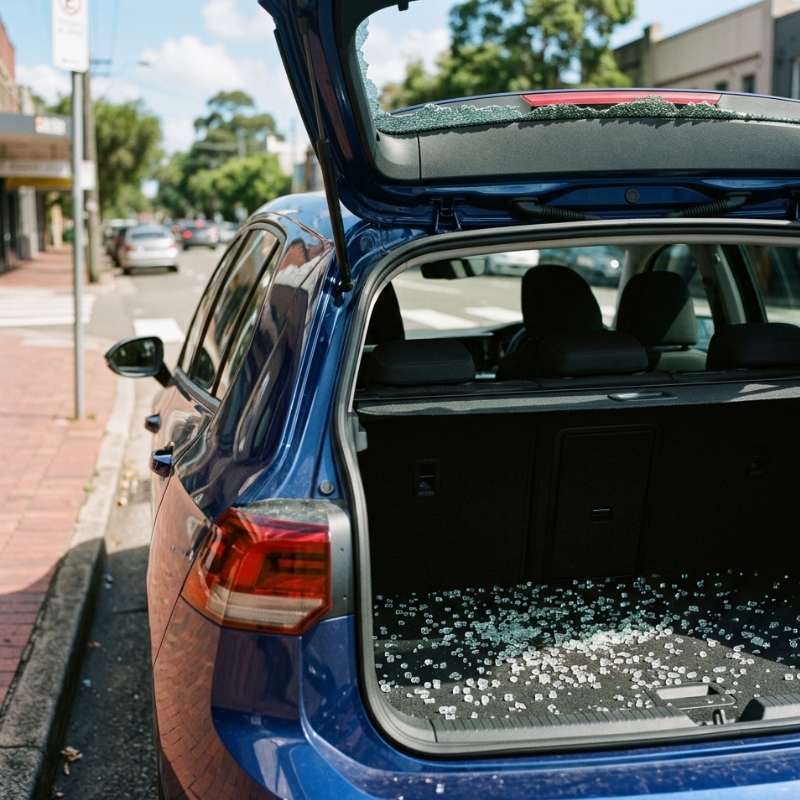
If you’ve ever walked out to your car in Sydney and found the back window “exploded” into thousands of little cubes, you’re not imagining things — rear windows can fail suddenly, and sometimes it looks like it happened for no reason at all, often leaving drivers wondering whether rear window replacement is the only next step.
The frustrating part is that the trigger often isn’t one big dramatic impact. More commonly, it’s a tiny weakness (like an edge chip you didn’t notice) plus the everyday realities of Sydney driving: heat-soaked parking, motorway grit, potholes, tailgate slams, and the demister kicking on during a cold snap.
This guide breaks down why back windows shatter, what makes Sydney a bit of a perfect storm for it, and the simple habits that can genuinely reduce your risk.
Why rear windows “explode” differently to windscreens
Most windscreens are laminated glass (two layers with a plastic layer in the middle). Rear windows are typically tempered (toughened) safety glass.
That one difference explains the “why did it turn into cubes?” moment.
• Tempered glass is designed to break into many small pieces rather than long sharp shards
• It can hold internal stress from manufacturing and tempering
• When it fails, it often fails all at once
That “all at once” behaviour is why a tiny chip or stress point can sit quietly for days or weeks — then one day the glass lets go.
Q&A: Why did my rear window shatter overnight?
Because the final trigger might be something small (temperature change, vibration, or a tailgate closing), acting on damage that was already there. A chip at the edge is enough to start a crack, and tempered glass doesn’t always crack slowly like a windscreen — it can disintegrate suddenly once the stress hits the tipping point.
The most common causes of back window shattering in Sydney
Sydney has a mix of conditions that make back glass more likely to fail: strong sun, coastal air, heavy traffic corridors, and lots of stop-start driving that shakes a vehicle around.
Here are the most common causes, from the most everyday to the more unusual.
1) Stone strikes and road debris (especially at speed)
Sydney motorways are efficient, but the combination of trucks, ongoing roadworks, and high-speed travel increases the odds of small debris flicking up.
A single stone chip might not shatter the window immediately. Instead, it can create a tiny weakness — and then vibration and temperature changes do the rest.
Where you’re most likely to see this happen:
• Following heavy vehicles too closely (more tyre-spray of grit)
• Construction zones and resurfacing works
• Motorway merges where debris gets pushed to the edges
How to slow it down:
• Increase following distance behind trucks (even just a little helps)
• Avoid sitting directly behind vehicles with uncovered loads
• If you hear a “tick” impact on glass, check the rear window edges as soon as it’s safe
2) Edge chips you can barely see
The edges of tempered glass are the most vulnerable. A tiny chip at the edge can become a stress concentrator — basically a weak point where the whole pane can eventually fail.
Common ways edge chips happen:
• Loading and unloading items in a hatchback or SUV
• Sports gear, prams, toolboxes, or camping gear bumping the glass
• Loose objects in the boot shifting during braking
• Poorly fitting covers, guards, or trim that rubs the glass over time
How to slow it down:
• Keep hard items from contacting the glass (use a barrier or strap gear down)
• Don’t slam the hatch or boot lid, especially if you’ve seen even a tiny chip
• If you notice a chip near the edge, treat it as high risk — that’s where tempered glass is least forgiving
Q&A: Can a tiny chip really cause the whole window to shatter?
Yes. With tempered rear glass, small edge damage can be enough. The glass can tolerate a lot — until it can’t — and then it can fail in one go rather than slowly spreading like a laminated windscreen.
3) Thermal stress from Sydney’s heat and rapid temperature changes
Sydney’s sun can heat a parked car quickly, especially if it’s left in direct sunlight on asphalt or concrete. The rear glass can heat unevenly, and uneven temperature across the glass creates stress.
Classic thermal stress scenarios in Sydney:
• Car parked in full sun, then hit with a sudden cool change or storm
• Washing a heat-soaked car with cold water
• Blasting the air-con cold while the rear glass is extremely hot
• Parking half in shade, half in sun, so one side of the rear glass heats more than the other
How to slow it down:
• Use shade where possible (carports, under trees with safe clearance, or covered parking)
• If your car is heat-soaked, let it vent briefly before cranking the air-con hard
• Avoid pouring cold water over hot glass (wash early morning or late afternoon when possible)
4) Rear demister heat aggravates an existing weak point
The rear demister works by heating thin conductive lines across the glass. On a healthy glass, that’s fine. But if there’s already a chip, scratch, or edge damage, the heating can contribute to stress.
Higher-risk scenarios:
• Turning the demister on full power immediately on a cold morning after a hot day
• Using the demister frequently when the glass has old scratches or small chips
• Vehicles with older rear glass where demister lines may be partially damaged
How to slow it down:
• If you suspect damage, warm the cabin gradually rather than shocking the glass
• Avoid scraping rear glass aggressively (it’s easy to damage demister lines)
• If you see damaged demister lines, treat the glass as more vulnerable
Q&A: Does using the rear demister cause shattering?
Usually not on its own. But it can be the final trigger when there’s already a weak point (like an edge chip) and the glass is under stress from temperature changes or vibration.
5) Body flex, twisting, and tailgate alignment issues
Cars flex more than most people realise. Driveways with steep ramps, speed humps, potholes, and even diagonal parking over gutters can twist the body slightly. If the rear glass is under pressure due to alignment or mounting stress, that twisting can contribute to failure.
Signs that body stress might be involved:
• Tailgate doesn’t close smoothly or needs a hard slam
• Uneven gaps around the hatch
• New rattles from the rear after a minor bump
• Water leaks around the rear opening after rain
How to slow it down:
• Don’t slam the hatch — if it needs force, something may be out of alignment
• Fix rattles and loose trim early (vibration can worsen weak points)
• Take steep driveways slowly and straight where possible (less twisting)
6) Break-ins and attempted theft
Unfortunately, rear windows are a common target because tempered glass breaks quickly and creates a large opening. Even if you don’t see obvious theft, an attempted break-in can leave micro-damage that later fails.
How to reduce risk in Sydney hotspots:
• Keep bags, jackets, and loose items out of sight (even “empty” bags attract attention)
• Use well-lit parking and busy areas where possible
• Consider a boot cover in wagons/SUVs (simple, but effective)
7) Rare manufacturing defects or inclusions
Sometimes a rear window truly does fail without any obvious external cause. One theory for spontaneous failure in tempered glass is tiny inclusions formed during manufacturing that create internal stress over time.
It’s not the first thing to assume, but it’s part of the reason “it just exploded” stories happen.
Early warning signs drivers often miss
The rear glass can give subtle clues before it fails. The trouble is, most people don’t inspect the rear window closely unless something dramatic happens.
Look out for:
• A small chip at the edge, especially near corners
• Hairline marks that look like scratches but catch your fingernail
• A new rattle in the tailgate area
• Demister lines that look scraped, broken, or discoloured
• Water leaks or dampness around the rear trim after rain
• A popping or clicking sound when going over bumps (sometimes trim, sometimes glass stress)
Q&A: What should I do if I spot a chip on my rear window?
Treat it as urgent risk management. Avoid slamming the tailgate, avoid sudden temperature shocks (demister blasts, cold water on hot glass), keep heavy items from contacting the glass, and monitor it closely. If it grows or the glass starts to craze, prioritise making the vehicle safe and weatherproof.
What to do immediately if your back window shatters
When it happens, it’s messy — but you can reduce the safety risk and prevent secondary damage.
Step 1: Make the area safe
• Move the car somewhere safe if you can do so without poor visibility
• Keep people and pets away from the broken glass
• Put on shoes (tiny cubes travel further than you expect)
Step 2: Secure loose glass
• Open doors carefully — glass can be sitting in seals and trim
• Remove larger pieces from seats and the boot area with thick gloves
• Don’t brush glass with bare hands (those tiny pieces can cut)
Step 3: Protect the interior from the weather
Sydney’s weather can turn fast. Rain, dew, or even coastal moisture can soak carpets and cause mouldy smells quickly.
• Cover the opening temporarily with a plastic sheet and tape (on the bodywork, not on the remaining glass)
• Avoid driving at speed with a loose cover — it can tear off and become dangerous debris
Step 4: Consider visibility and roadworthiness
Even if the car “drives,” you’re dealing with:
• reduced visibility (especially at dusk/night or in rain)
• distraction from glass pieces
• security risk (easy access for theft)
• potential roadworthiness issues if the window is damaged
Transport for NSW puts it plainly: drivers need the clearest possible view, and you can’t have damaged windows. The simplest way to sanity-check your situation is to read the Transport for NSW fact sheet on legal windows and tint.
Practical habits that reduce the risk (without babying your car)
You can’t control every stone on the road, but you can reduce the main stress triggers.
Driving habits
• Leave extra distance behind trucks and utes with chunky tyres
• Avoid sitting in the “spray zone” behind vehicles on rough surfaces
• Slow slightly through heavy roadwork zones where debris is common
• Be careful over speed humps and potholes (rear vibration matters too)
Parking habits (Sydney edition)
• Shade is your friend — heat soak is real in summer
• Avoid parking tight under trees where branches can drop (especially after storms)
• If you’re coastal (Northern Beaches, Eastern Suburbs, Shire), keep rear seals clean — salt and grit can create rubbing points over time
Demister habits
• Warm the cabin gradually when the glass is cold
• Don’t scrape the rear glass aggressively (demister lines are delicate)
• If you suspect edge damage, minimise intense demister use until the glass is addressed
Boot and hatch habits
• Strap down hard items so they don’t slide into the glass
• Don’t slam the tailgate
• If the hatch feels “off,” get the alignment checked sooner rather than later
When damage becomes a “stop driving” situation
You don’t need to panic over every tiny mark, but there are clear scenarios where continuing to drive is asking for trouble.
Stop driving (or drive only a short distance to safety) if:
• glass is falling out of the frame
• visibility is compromised (especially at dusk/night or in rain)
• you cannot secure the opening against wind and weather
• the rear wiper or demister wiring is exposed
• you’re hearing cracking/popping sounds from the glass area
Q&A: Is driving with a cracked rear window always unsafe?
Not always, but it’s unpredictable. Tempered rear glass can go from “a small crack” to “fully shattered” without much warning. Your risk jumps if the crack is near an edge, if the weather is hot/cold, shifting quickly, or if you need the demister.
Next-step guidance if you need the car back on the road
This article is about causes and prevention, but if you’re already dealing with damage and need to get back to safe, weatherproof driving, it’s worth checking a local specialist’s guidance and options. If you’re in Sydney, Windscreen Replacers has a helpful starting point here: rear window replacement Sydney.
FAQ
Why do back windows shatter into tiny pieces?
Because most rear windows are tempered safety glass, designed to crumble into small cubes rather than sharp shards. It’s safer in a crash, but it also means failure can be sudden once stress exceeds the glass’s limit.
What’s the most common reason back windows shatter in Sydney?
The most common pattern is a small stone strike or edge chip combined with vibration and thermal stress (hot days, cool changes, demister use, or heat-soaked parking).
Can I prevent a rear window from shattering after a chip?
You can reduce the risk by avoiding slamming the hatch, avoiding rapid temperature shocks, using the demister gently, and preventing objects in the boot from contacting the glass. But with tempered glass, a chip can still be a high-risk weak point.
Is it normal for a rear window to shatter without warning?
It can happen. Often, the “warning” was a tiny chip or stress point that wasn’t noticed. Less commonly, there may be internal stress or a manufacturing-related issue.
Does window tint make rear glass more likely to shatter?
Tint itself isn’t usually the direct cause, but anything that changes heat absorption can contribute to uneven heating. If there’s existing damage, thermal stress becomes more important.
What should I do right after the glass breaks?
Make it safe, remove loose glass carefully with gloves, cover the opening to protect the interior, and think seriously about visibility and roadworthiness before driving.
Is driving with a cracked rear window illegal
If the damage reduces your clear view of the road or the window is not sound, your car may be considered unroadworthy in NSW. The cleanest reference is the official guidance in the Transport for NSW fact sheet. If you need local next-step options, this blog is a starting point: Is driving with a cracked rear window illegal?
Where can I learn more about Sydney vehicle glass options generally?
If you’re looking for general information about vehicle glazing and what’s involved in restoring safe visibility, you can start here: windscreen and auto glass repairs.