
Chip, Crack, or Full Glass? How Damage Type Influences What You’ll Pay in Sydney
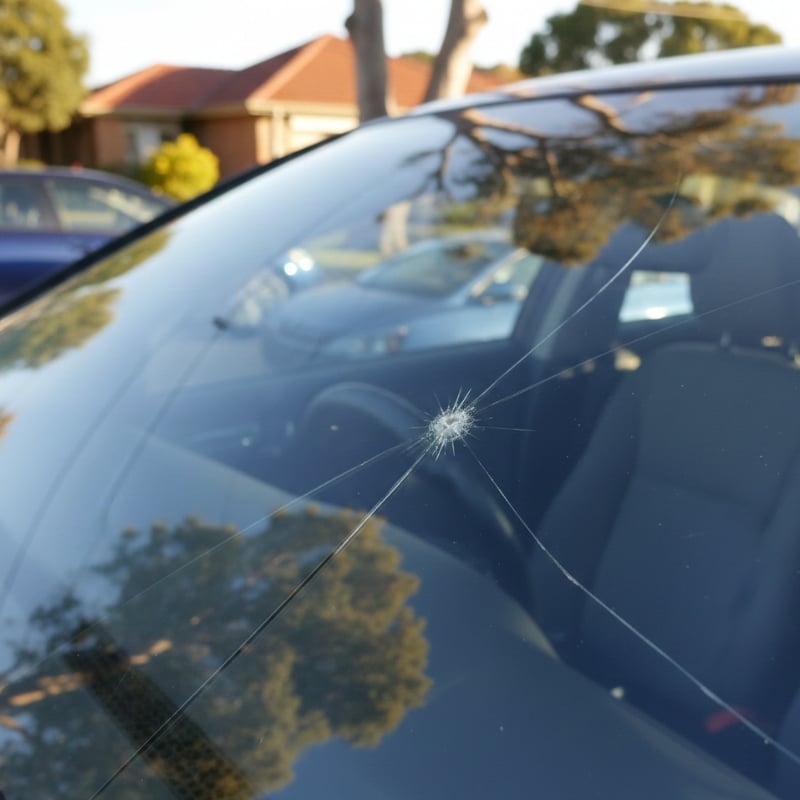
A stone flick on the M4, debris from roadworks, or a sudden temperature change on a hot Sydney afternoon can all leave you staring at damage across your windscreen, sometimes leading to windscreen replacement. What many drivers don’t realise is that the type of damage you have is the biggest factor in what happens next—and in what you’ll likely pay.
A small chip doesn’t behave the same way as a spreading crack, and a long fracture across the driver’s line of sight brings very different safety and compliance considerations. Add modern vehicle technology like cameras and sensors, and the difference between a minor fix and full glass replacement can be significant.
This guide breaks down chips, cracks, and full-glass scenarios, explaining how each one influences costs for Sydney drivers—without turning into a service catalogue. The goal is clarity: understanding what you’re dealing with, why some damage escalates, and when delaying can cost more in the long run.
Why Damage Type Matters More Than You Think
Not all windscreen damage is equal. Two marks that look similar at first glance can behave very differently over time.
The main reasons damage type affects cost include:
- Whether the glass structure is still stable
- If the damage sits in the driver’s critical viewing area
- How likely it is to spread due to heat, vibration, or moisture
- Whether modern vehicle systems are involved
In Sydney conditions—high traffic density, frequent roadworks, and wide temperature swings—minor damage can change quickly.
Understanding the category your damage falls into is the first step in making a smart decision, and a clear windscreen damage assessment helps determine whether the glass is still structurally sound.
Windscreen Chips: Small Damage, Big Decision Point
A chip is usually the result of a small object striking the glass at speed. While they may appear minor, chips are the most time-sensitive type of windscreen damage.
Common chip types Sydney drivers see
- Bullseye chips (circular with a dark centre)
- Star breaks (radiating cracks from a central point)
- Half-moon or partial bullseye chips
- Surface pits from repeated debris impact
These are common on Sydney motorways and arterial roads where trucks and loose aggregate are present.
When a chip stays a chip
Chips are often more stable when:
- They’re small and shallow
- They’re away from the edge of the glass
- They don’t sit in the driver’s direct line of sight
In these cases, early action can prevent escalation and reduce the chance of needing more complex intervention later.
Why chips often cost less—initially
From a cost perspective, chips are usually at the lower end of the scale because:
- The glass structure may still be sound
- No recalibration of cameras is typically required
- Labour time is shorter
However, this only holds true if the chip remains stable.
How Sydney’s conditions make chips risky
Chips don’t always stay small. In Sydney, they’re exposed to:
- Heat expansion during summer days
- Sudden cooling from air conditioning or storms
- Constant vibration from stop-start traffic
These factors make chips unpredictable. Once a crack forms, the situation—and the cost—changes.
Short Cracks: The Grey Area That Drives Cost Differences
Cracks are where things become less straightforward. A crack means the glass structure has already been compromised.
Types of cracks that start small
- Stress cracks (caused by temperature changes, not impact)
- Short linear cracks from an untreated chip
- Curved cracks following the laminated glass layers
Short cracks can sometimes appear manageable, but their location is critical.
Location matters more than length
A short crack near the edge of the windscreen is often more problematic than a longer crack in the centre. Edge damage spreads faster because:
- The glass is under more structural tension
- Vehicle flex transfers directly to the crack
- Moisture can penetrate the laminate layers
This is one reason two similar-looking cracks can lead to very different outcomes, and why guidance from trusted windscreen repair services can help clarify whether monitoring or action is the safer option.
Cost factors, cracks introduce
Once a crack is present, additional factors come into play:
- Increased likelihood of full glass replacement
- Safety and visibility considerations
- NSW roadworthiness and compliance concerns
Even when a crack is short, it may no longer be viable to treat it as a minor issue—particularly if it affects visibility.
Long Cracks: When Full Glass Becomes the Only Option
A long crack—especially one that spreads across the windscreen—almost always pushes the scenario toward full glass replacement.
Why long cracks escalate costs
Long cracks indicate that:
- The laminated glass layers are compromised
- Structural strength has been reduced
- Visibility distortion is likely, especially at night or in the rain
From a safety standpoint, the windscreen is no longer performing its role in supporting the vehicle’s roof or protecting occupants.
The driver’s line of sight is critical
In NSW, visibility is a key safety consideration. Damage that interferes with the driver’s field of view isn’t something to monitor casually.
According to NSW transport safety guidance on cracked windscreens and visibility obstruction, cracks or damage that obstruct vision can be considered unsafe to drive with, particularly if they distort or refract light.
Why waiting rarely saves money here
Once a crack reaches a certain length:
- Repair is no longer viable
- The glass must be replaced as a whole
- Additional components may be affected
At this stage, the decision is less about options and more about timing and safety.
Full Glass Replacement: The Hidden Factors That Influence Price
When full glass replacement is required, the damage type sets off a chain of considerations that affect overall cost.
Glass type: OEM vs aftermarket
One major variable is the glass itself:
- OEM glass matches original specifications exactly
- Aftermarket glass may differ slightly in thickness or branding
While both can meet safety standards, the choice can influence:
- Optical clarity
- Sensor compatibility
- Final cost
This decision often depends on vehicle make, model, and personal preference.
Modern vehicles and ADAS technology
Many newer vehicles on Sydney roads include Advanced Driver Assistance Systems (ADAS), such as:
- Forward collision warning cameras
- Lane-keeping assistance
- Rain and light sensors
When a windscreen with integrated systems is replaced, recalibration may be required. This process ensures cameras and sensors function correctly and is a separate cost factor unrelated to the glass itself.
Why damage type still matters here
Even at the full replacement stage, how the damage occurred can influence:
- Whether additional trims or mouldings are affected
- The complexity of the removal process
- The likelihood of recalibration
This is why working with a professional windscreen replacer becomes important once replacement is unavoidable.
Sydney-Specific Factors That Influence Outcomes
While damage type is universal, Sydney driving conditions shape how quickly issues escalate.
Roadworks and debris
Ongoing infrastructure projects increase the likelihood of:
- Stone flicks
- Secondary impacts on existing chips
- Rapid crack propagation
Climate and temperature swings
Sydney’s climate creates a cycle of expansion and contraction that puts stress on damaged glass—particularly overnight after hot days.
Traffic density and vibration
Stop-start traffic and uneven road surfaces add constant vibration, which encourages cracks to spread.
These local factors explain why two drivers with similar damage may experience very different outcomes.
Insurance Excess vs Paying Direct: How Damage Type Plays a Role
Another consideration many Sydney drivers weigh is whether to claim through insurance or pay directly.
Damage type affects this decision because:
- Minor chips may fall below the excess threshold
- Full replacement can exceed the excess, making claims more practical
- ADAS recalibration may influence total costs
Understanding whether your damage is likely to escalate helps avoid surprise expenses later.
Safety Triggers: When Waiting Can Cost More
There are clear signs that waiting is no longer the smart option.
Red flags you shouldn’t ignore
- Cracks spreading overnight
- Distortion or glare when driving toward the sun
- Damage crossing the driver’s viewing area
- Moisture is entering the crack
In these situations, the risk isn’t just higher costs—it’s compromised safety.
NSW transport authorities emphasise that windscreens must not obstruct the driver’s view, reinforcing why some damage types need prompt attention.
What to Do Next If You’re Unsure
If you’re uncertain whether you’re dealing with a chip, a crack, or a situation that requires full glass replacement, clarity matters.
A professional evaluation can confirm:
- The exact damage category
- Whether the glass is still structurally sound
- How likely is the damage to spread
For many Sydney drivers, understanding these factors early can prevent small issues from becoming larger safety concerns.
Frequently Asked Questions
Can a small chip really turn into a full crack?
Yes. Chips can spread rapidly due to temperature changes, vibration, and moisture—especially in Sydney driving conditions.
Does every crack mean full replacement?
Not always, but cracks affecting visibility, edges, or structural integrity often do.
Why do some replacements cost more than others?
Damage type, glass choice, vehicle technology, and recalibration needs all influence final costs.
Is it legal to drive with a cracked windscreen in NSW?
Damage that obstructs the driver’s view or compromises safety may be considered unsafe. It’s best to address this promptly.
How quickly can cracks spread?
Some cracks spread within hours; others take days. Environmental conditions play a major role.
Final Thoughts
The difference between a chip, a crack, and a full glass replacement isn’t just cosmetic—it’s structural, technical, and safety-related. In Sydney, where driving conditions are demanding, understanding how damage type influences what you’ll pay helps you make informed decisions before small problems become bigger ones.
Acting early, understanding your damage, and knowing the triggers that change outcomes can save both money and stress.