
Common Causes of Rear Car Window Cracks in Sydney (Heat, Stress, Impacts & Seals)
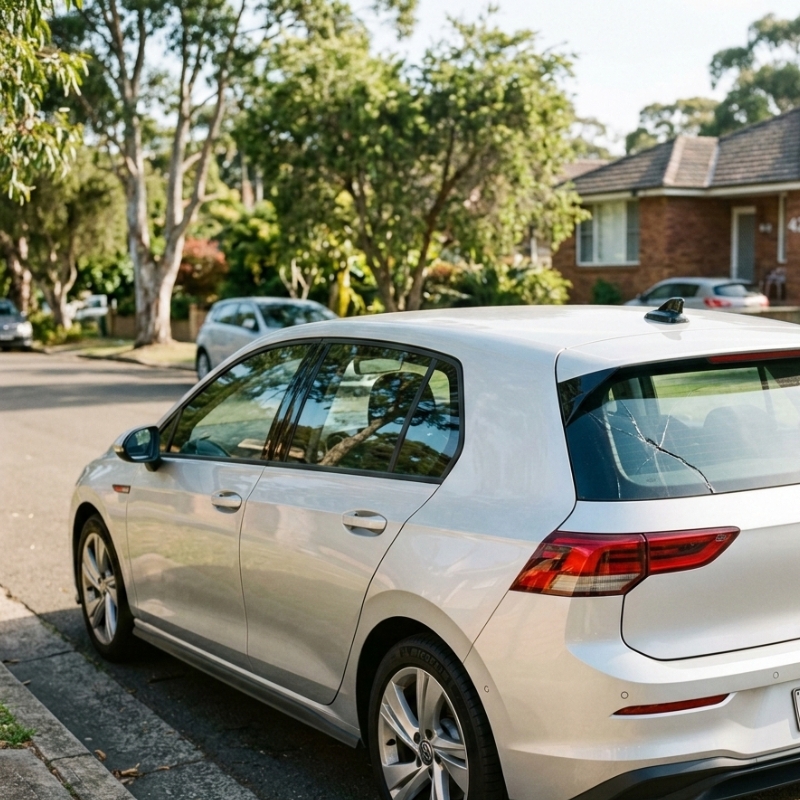
Rear (back) car window cracks can feel especially random. One day it’s fine, the next you notice a long line across the glass, a star-shaped crack near the edge, or (in some cases) the whole panel has shattered into small cubes.
Sydney’s mix of hot sun, coastal humidity, sudden storms, and everyday driving conditions can put rear glass under stress in ways many drivers don’t expect. The good news: most rear window cracking patterns follow a few common causes. If you can work out which one is most likely, you’ll usually know what to do next and how to reduce the odds of a repeat.
First: rear window glass behaves differently from a windscreen
Most windscreens are laminated glass (two layers with a plastic interlayer). Rear windows, on the other hand, are commonly toughened (tempered) safety glass. That matters because:
• Toughened glass is designed to crumble into small pieces when it fails, reducing sharp shards
• A rear window can sometimes look “fine” after a small impact, then fail later as stress spreads
• Tiny edge chips can be more serious than they look because the edge is a high-stress zone
That’s why you’ll see some rear windows go from “minor mark” to “big crack” (or full shatter) without much warning.
The main crack patterns and what they usually mean
Before diving into causes, it helps to match what you see to likely origins.
• A crack that starts at the edge and travels inward often points to edge damage, installation/seal issues, or body flex
• A star/bullseye mark (often with a visible point) suggests an impact from a stone or object
• A long, smooth crack with no obvious chip point can be a stress/thermal crack
• A rear window that suddenly “cubes” (shatters) may have had a pre-existing chip, mounting stress, or thermal shock
None of these are 100% diagnostic on its own, but they’re strong clues.
Question: Why do rear window cracks so often start at the edge?
The edge of automotive glass is the most vulnerable part. Small chips at the edge can create a stress concentration, and that stress can grow with temperature changes, vibrations, or even closing the tailgate. Sometimes the original damage is so small you don’t notice it until the crack spreads.
Cause 1: Heat and thermal shock (Sydney’s biggest hidden trigger)
Sydney heat can be intense—especially in Western Sydney on summer afternoons, or when your car has been parked in full sun at the beach, or a shopping centre car park. Glass expands as it heats and contracts as it cools. Problems happen when the temperature changes too quickly or unevenly across the panel.
Common Sydney scenarios that create thermal shock:
• You hop into a car that’s been baking in the sun, blast the A/C, and cool the cabin fast while the outer glass stays hot
• Cold water hits hot glass during a home wash, a sudden summer downpour, or at a servo car wash
• You park half in shade and half in sun, creating a “hot zone” and a “cool zone” across the same pane
If the glass already has a tiny chip (especially near an edge), thermal shock can be the event that turns it into a crack.
What thermal-stress cracks look like
They’re often:
• Long and relatively smooth
• Not obviously linked to a single impact point
• Sometimes appearing “overnight” after a hot day, followed by a cool change
How to reduce heat-related cracking risk
You can’t control Sydney’s weather, but you can reduce abrupt temperature swings:
• Vent the car briefly before cranking the A/C on full after hot parking
• Avoid aiming icy air directly at glass for long periods (rear vents can still cool the cabin without “freezing” the glass)
• If the glass is hot, start with a gentle rinse rather than a cold, high-pressure blast
• Use sunshades and seek shade parking when possible
Question: Can heat alone crack a rear car window?
Heat by itself usually isn’t enough unless there’s already a weakness (tiny chip, edge nick, or stress from mounting). The bigger culprit is rapid change: hot-to-cold or uneven temperature across the pane.
Cause 2: Stress cracks from body flex and tailgate forces
Rear windows sit in parts of the vehicle that can flex more than you’d expect—especially hatchbacks, SUVs, and utes with large openings at the rear. Over time (or after certain events), the body can twist slightly and transfer stress into the glass.
Common triggers include:
• Closing a tailgate or hatch with extra force (even a couple of times)
• Driving over potholes, speed humps, or rough roads with the body twisting
• Minor rear-end knocks or bumps that don’t look serious but shift alignment
• Worn hatch struts that cause the tailgate to drop or close unevenly
• Vehicles regularly carrying loads (tools, equipment, heavy cargo) that alter body stress
If the glass is already under tension from the way it’s mounted, a little extra flex can be enough to start or extend a crack.
Signs stress/body flex is involved
Look for:
• Cracks that start near corners or edges
• Recurring problems (a history of rear glass issues on the same vehicle)
• New rattles, uneven tailgate gaps, or water leaks around the rear
Practical prevention
• Don’t slam the tailgate—guide it closed and let the latch do the work
• If hatch struts are weak (tailgate doesn’t stay up properly), replace them early
• Address alignment issues after even minor rear bumps
• Keep an eye on seals and mounting points (more on this below)
Question: Why did my rear window crack after closing the boot?
If the glass already had an edge chip or it was under mounting tension, the twist from closing can push it over the threshold. It’s not the “slam” alone; it’s the combination of existing weakness plus sudden stress.
Cause 3: Impacts and road debris (often smaller than you think)
Stone strikes are the obvious ones—especially on highways and arterial roads around Sydney where traffic kicks up debris. But rear windows can also be hit by things you don’t immediately connect to “impact damage”.
Examples include:
• Small stones flicked up by your own tyres (especially on gravel shoulders)
• Loose debris from a truck or ute tray ahead
• Sports equipment, prams, or cargo shifting and tapping the glass from inside
• Falling branches or hail (rare, but it happens in Sydney storms)
• Break-in attempts or accidental knocks while parked
Impact damage often leaves a visible chip, star, or crater. But sometimes the impact is tiny, and the crack shows later.
How to spot an impact origin
Use good light and look carefully for:
• A small chip at the “start” of the crack
• A point with radiating lines (like a mini starburst)
• A rough spot you can feel gently with a fingernail (don’t press hard)
What to do if you see a chip
Even if it’s small, treat it seriously—especially near the edge. The rear glass can fail suddenly, and the demister grid (heater lines) can be affected if cracks spread across it.
Cause 4: Faulty seals, poor bonding, and water ingress stress
Rear windows are typically bonded or sealed into the vehicle body. If the seal has perished, the bonding has gaps, or the glass is under uneven pressure, the window can “move” slightly during driving and temperature changes. That movement can create repeated stress at the edges.
In Sydney, seals can age faster due to:
• UV exposure (especially for cars parked outdoors)
• Heat cycling (hot days, cooler nights)
• Salt air in coastal suburbs
• General age and wear
Early warning signs that seals may be involved
• Water leaks into the boot area after rain
• Damp smell, fogging, or condensation that lingers
• Wind noise around the rear window at speed
• Visible gaps, lifted rubber, or hardened seal sections
Even if the seal issue doesn’t directly crack the glass, it can create the conditions where a small chip becomes a long crack.
Simple checks you can do
• After rain, lift the boot floor and check for dampness
• Inspect the seal visually for splits, lifting, or obvious deformation
• Look for rust or water staining around the inside edges near trim (where visible)
If you suspect seal or bonding issues, it’s a strong reason to treat the crack as more than a cosmetic problem.
Question: Can a leaking rear window seal cause cracking?
Indirectly, yes. A compromised seal can allow movement, uneven pressure, and repeated stress on the glass edge. It can also point to alignment or bonding issues that increase crack risk.
Cause 5: Rear demister (defogger) lines and electrical heat
Rear windows often include demister grid lines. In normal operation, they warm the glass evenly. Problems arise when:
• There’s a pre-existing chip or crack, and heating expands it
• The glass has uneven stress, and heating adds just enough extra expansion
• The demister lines are damaged during cleaning (abrasive scrubbing) and create hot spots (less common, but possible)
It’s not that the demister “causes” cracks out of nowhere in a healthy rear window. It can, however, accelerate cracking in glass that’s already compromised.
How to look after demister lines
• Avoid harsh abrasives on the inside of the rear window
• Use gentle cleaners and soft cloths
• Don’t scrape at stickers or residue across the grid lines
Question: Should I use the rear demister if my rear window is cracked?
If the crack is significant or spreading, it’s safer to avoid adding heat until the issue is resolved. Heat can encourage an existing crack to propagate.
Cause 6: Sudden pressure changes and “invisible” handling damage
Some rear windows crack after events that don’t feel like “damage”, such as:
• High-pressure water jets aimed close to the edge of the glass
• A door slam with windows closed in very hot conditions (pressure change + heat)
• Body repairs or trim work that accidentally nudged the glass edge
• Loading something bulky that presses against the glass from inside
Also, if the car has had prior repairs, the rear window may have been installed under uneven tension. That can remain hidden until the next heatwave, pothole hit, or tailgate slam.
What to do when you notice a rear window crack
This is where it’s worth being practical. A rear window crack isn’t always immediately dangerous in the same way as windscreen damage in the driver’s view, but it can still create safety risks:
• Glass can fail suddenly (especially toughened glass)
• Visibility can be affected at night or in the rain
• Water ingress can damage interior trim, electrics, and the boot area
• Loose fragments can become a hazard inside the cabin
Transport for NSW guidance around windows and tint focuses on maintaining safe visibility and having windows sound and properly fitted, and these checks are relevant at inspections. You can read their official guidance here: How do I know my windows and window tint are legal in NSW?
Sensible next steps
• If the crack is spreading, near the edge, or the glass feels unstable, avoid unnecessary driving
• Remove loose items from the boot that could bump the glass
• Avoid high-pressure washing and avoid rear demister use if the crack is active
• If the rear window has already shattered, protect the cabin from the weather and avoid inhaling/handling fine glass dust without precautions
If you’re comparing options and want to understand what’s involved, this rear window replacement process can help you learn the typical steps without guessing. (Internal link 1)
Prevention: How to reduce the odds of a rear window crack in Sydney
You can’t prevent every stone or storm, but you can reduce the most common triggers.
Heat and thermal shock prevention
• Park in shade where possible, especially during peak summer afternoons
• Let the hot air vent for 30–60 seconds before blasting the A/C
• Start washing with a gentle rinse if the glass is hot
• Avoid aiming cold water directly at one spot for long periods
Reduce body flex stress
• Don’t slam hatch/tailgate; close smoothly
• Replace weak hatch struts before they start dropping the tailgate
• Address tailgate alignment or latch issues early
• Drive gently over speed humps and potholes when possible
Minimise impact risk
• Keep a distance behind trucks and utes on motorways
• Secure cargo inside so nothing shifts into the glass
• Check for tiny chips after highway trips (early detection helps)
Seal and bonding maintenance
• Inspect rear seals during routine car care
• Clean seals gently and keep them free from built-up grit
• Investigate water leaks quickly—leaks can be an early warning
If you want a simple explainer you can bookmark, this rear window replacement guide covers the basics of what happens when rear glass needs to be sorted. (Internal link 2)
Quick self-diagnosis: matching the cause to your situation
Use this as a rough guide:
- The crack started right at an edge or corner
– Likely: edge chip, body flex, seal/bond tension, or prior handling damage - Star/bullseye mark visible
– Likely: impact from stone/debris or an object inside touching the glass - Appeared after a hot day + sudden cool change (rain, wash, heavy A/C)
– Likely: thermal shock acting on a weak spot - Accompanied by water leaks, wind noise, or seal deterioration
– Likely: seal/bond issues increasing stress and movement - Crack worsens when using the demister
– Likely: demister heat, accelerating an existing crack
Question: Why did my rear window crack overnight in Sydney?
Overnight cracks are often “delayed” outcomes. The initiating event might have been earlier: a tiny stone chip, a hot afternoon followed by a cool change, or a subtle body flex. Once stress reaches a threshold, the crack becomes visible later.
When a crack is more than “just cosmetic”
Rear window cracks are worth taking seriously if any of the following apply:
• The crack reaches the edge (or starts at the edge)
• You see branching cracks or “spidering”
• Is there any sign the glass is loosening or creaking
• You notice water entering the cabin/boot
• The crack crosses demister lines, and the demister behaves oddly
• The vehicle has had recent body work, tailgate repairs, or a rear bumper
If you’re trying to understand your options and what a resolution typically involves, reading about rear window replacement can be a useful next step. (Internal link 3)
FAQ
Can I keep driving with a cracked rear window?
If the crack is small and stable, you might be able to drive cautiously, but rear glass can fail suddenly—especially if it’s toughened. If the crack is spreading, near an edge, or visibility is affected, it’s safer to limit driving and address it promptly.
Why did my rear window crack after a car wash?
A common reason is thermal shock: cold water on hot glass, or high-pressure water focused near an edge where there’s already a tiny chip. It can also be pressure-related if the jet is used too close to seals and edges.
Do small chips in the rear window turn into long cracks?
They can, particularly if the chip is near the edge or the vehicle experiences heat cycling and vibrations. A chip is often the “start point” that becomes a crack later.
Can a rear demister cause the glass to crack?
Usually it accelerates an existing weakness rather than creating a crack from nothing. If there’s already a chip or stress point, heat can encourage cracking to spread.
What’s the most common cause in Sydney?
Thermal shock plus an existing weakness is a big one: hot parked car + sudden cooling (rain, wash, A/C), especially in summer. Edge chips and body flex are also common contributors.
How can I tell if it’s impact damage or a stress crack?
Impact damage often has a visible chip or crater at the origin (sometimes a star pattern). Stress cracks can be long and smooth with no obvious impact point, and often start at edges/corners.