
Fleet & Heavy Vehicle Windscreen Maintenance Checklist for Sydney Operators
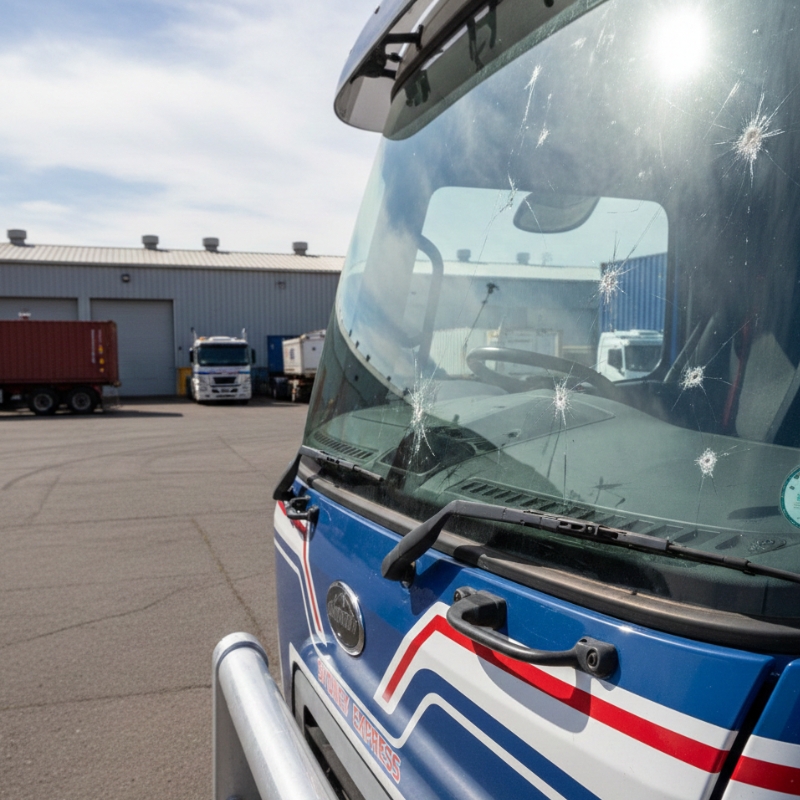
Managing a fleet in Sydney comes with enough complexity — traffic congestion, motorway debris, construction zones, long-haul freight routes, and strict NSW compliance standards. One area that often gets overlooked until it becomes urgent is windscreen maintenance.
For heavy vehicles, a damaged windscreen is more than cosmetic. It affects driver visibility, structural integrity, compliance under NSW road rules, and ultimately, road safety.
This guide provides a practical, compliance-aware windscreen maintenance checklist designed specifically for Sydney fleet operators and heavy vehicle managers.
Why Windscreen Maintenance Matters for Sydney Fleets
Heavy vehicles operate in harsher conditions than standard passenger cars. In Sydney, trucks frequently travel:
- The M4, M5 and M7 motorways where loose aggregate and debris are common
- Industrial areas like Wetherill Park and Eastern Creek
- Construction-heavy corridors across Western Sydney
- Regional freight routes into NSW
Each of these environments increases the risk of stone chips and crack propagation.
Under NSW roadworthiness standards, a damaged windscreen can result in a defect notice if it:
- Obstructs the driver’s line of sight
- Has significant cracking within critical viewing zones
- Compromises structural integrity
Transport for NSW outlines vehicle safety obligations under its roadworthiness and heavy vehicle standards, which fleet operators are expected to follow.
A structured inspection routine reduces downtime, prevents defects, and protects your drivers.
Daily Windscreen Inspection Checklist (Pre-Start)
Daily checks should be part of every driver’s pre-start inspection routine.
Visual Scan from the Driver’s Seat
Drivers should check:
- Any cracks in the direct line of sight
- Star breaks or bullseye chips near eye level
- Distortion affecting visibility
- Damage near the edges of the glass
Even small chips can spread rapidly in Sydney’s temperature fluctuations, particularly during summer heat.
Exterior Walkaround Check
From outside the vehicle, inspect:
- Edges of the windscreen for spreading cracks
- Impact points from stones
- Seal condition around the glass
- Signs of water ingress
Edge cracks are particularly risky because they weaken structural strength and spread quickly.
Wiper Interaction Check
Worn wiper blades can worsen minor chips by catching on imperfections.
Check for:
- Wiper chatter
- Scratching sounds
- Smearing that highlights surface damage
If a chip begins expanding, escalation to assessment is recommended before the vehicle continues highway travel.
Weekly Fleet Manager Review Checklist
In addition to daily driver checks, fleet supervisors should conduct weekly oversight inspections.
Measure Chip Size
As a practical guide:
- Small chips under 10mm may be monitored if outside the driver’s direct line of sight
- Cracks longer than a few centimetres require immediate evaluation
- Multiple chips across the surface increase risk classification
When in doubt, err on the side of professional inspection.
Check Driver Reporting Compliance
Fleet systems should confirm:
- Drivers log all glass damage immediately
- Photo documentation is captured
- Escalation pathways are clear
Unreported minor damage is one of the leading causes of sudden crack expansion during long-haul trips.
Review Environmental Risk Exposure
Consider:
- Has the vehicle travelled through roadworks?
- Has it operated on gravel or unsealed roads?
- Has it been exposed to extreme heat?
Sydney summers regularly exceed 35°C. Rapid temperature changes can cause existing chips to expand overnight.
Monthly Preventative Maintenance Checklist
Monthly fleet-level inspections should be more structured and documented.
Structural Integrity Assessment
Modern truck windscreens contribute to cabin strength. Inspect for:
- Deep cracks reaching the laminate layer
- Spreading fractures
- Previous poor-quality repairs
Compromised structural integrity may affect airbag deployment and cabin rigidity in the event of a collision.
Seal and Bond Inspection
The bonding between the windscreen and frame must be intact.
Look for:
- Loose edges
- Gaps in adhesive
- Wind noise at highway speeds
These can indicate a weakening that requires attention.
ADAS Considerations (If Applicable)
Some heavy vehicles now incorporate driver assistance systems mounted near the windscreen.
Ensure:
- Sensors are unobstructed
- No distortion affects camera calibration
- Previous repairs have not misaligned components
Failure here can compromise safety systems.
NSW Compliance: What Fleet Operators Must Know
Under NSW regulations, vehicles must remain roadworthy at all times.
A truck can be defective if the windscreen:
- Interferes with the driver’s vision
- Has significant cracking in the primary viewing area
- Shows signs of structural compromise
The National Heavy Vehicle Regulator (NHVR) provides guidance on heavy vehicle safety standards and defect categories. Fleet operators should regularly review official updates to remain compliant.
Importantly, responsibility is shared:
- Drivers must report defects
- Fleet managers must ensure vehicles are safe before dispatch
- Operators must maintain documented maintenance records
Failure to comply can result in fines, downtime, and reputational damage.
When Monitoring Is No Longer Enough
A key question fleet managers ask is:
When does minor damage become replacement-worthy?
Immediate Action Triggers
Escalate immediately if:
- The crack enters the driver’s direct line of sight
- The crack spreads rapidly
- Multiple impact points are present
- The chip deepens into the laminate layer
- A defect notice has been issued
At this stage, monitoring is no longer appropriate. A professional evaluation is required.
If replacement becomes necessary, arranging timely truck windscreen replacement in Sydney minimises downtime and compliance risk.
Repair vs Replacement: Practical Fleet Guidelines
Not all damage requires full replacement.
Likely Repairable
- Small, isolated stone chips
- Damage outside primary viewing zones
- Surface-level impact without spreading
Likely Replacement
- Long cracks
- Edge damage
- Multiple fractures
- Structural compromise
- Compliance failure
Engaging a trusted truck windscreen specialist ensures the assessment aligns with NSW safety expectations.
Preventative thinking reduces emergency situations.
Building a Fleet Windscreen Maintenance Policy
A checklist is only effective when supported by policy.
Your written fleet policy should include:
- Daily driver inspection requirements
- Photo reporting protocol
- Escalation decision tree
- Weekly supervisor audits
- Approved repair/replacement provider
- Record retention standards
Clear procedures reduce uncertainty and protect your business during compliance audits.
Common Sydney-Specific Risk Factors
Sydney operators face unique conditions:
Construction Zones
Major infrastructure projects increase:
- Loose aggregate
- Flying debris
- Sudden braking situations
Motorway Debris
High-speed corridors amplify:
- Impact velocity
- Crack spread rates
Coastal Air Exposure
Salt air in coastal suburbs can:
- Affect seals over time
- Increase long-term degradation
Regular maintenance offsets these environmental factors.
Frequently Asked Questions
Is it illegal to drive a truck with a cracked windscreen in NSW?
It depends on the severity and location. If the crack obstructs the driver’s line of sight or compromises structural integrity, the vehicle may be deemed unroadworthy and defective.
How often should fleet windscreens be inspected?
Drivers should check daily before departure. Fleet-level inspections should occur weekly, with structured documentation monthly.
Can a small stone chip spread quickly?
Yes. Temperature fluctuations and vibration from heavy vehicle operation can cause rapid crack expansion.
Who is responsible for windscreen compliance?
Both the driver and the fleet operator share responsibility under NSW heavy vehicle laws.
Can poor-quality repairs cause compliance issues?
Yes. Inadequate bonding or improper repair techniques may weaken structural integrity. Seeking quality truck windscreen repairs and replacement from qualified providers reduces risk.
Final Checklist Summary for Sydney Fleet Operators
Daily:
• Driver visual scan
• Exterior inspection
• Wiper interaction check
Weekly:
• Chip measurement
• Reporting audit
• Environmental exposure review
Monthly:
• Structural integrity review
• Seal inspection
• Compliance documentation review
By embedding this checklist into your maintenance system, you reduce defect risk, improve safety, and protect operational continuity.
Preventive maintenance is always cheaper and safer than emergency response.