
Sydney Windscreen Damage Explained: Repairable or Beyond Saving?
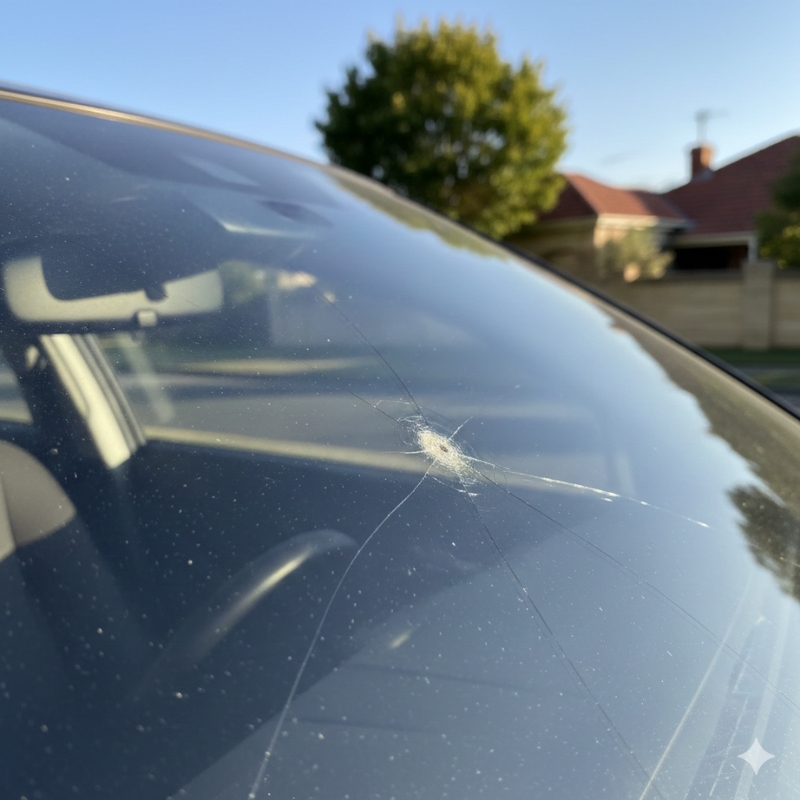
A small chip in your windscreen can look harmless — until it spreads across your line of sight during a hot Sydney afternoon. Many drivers aren’t sure where the tipping point is between a simple fix and damage that’s beyond saving.
Understanding the difference matters for safety, legal compliance in NSW, and preventing further structural issues with your vehicle.
This guide breaks down how windscreen damage is assessed, what makes it repairable, and when replacement becomes the safer option for Sydney motorists.
Why Windscreen Damage Is More Serious Than It Looks
Your windscreen does more than block wind and debris. It plays a structural role in:
- Supporting the roof during a rollover
- Allowing correct airbag deployment
- Maintaining cabin integrity
- Protecting against road debris at motorway speeds
Modern laminated automotive glass is designed to absorb impact, but once compromised, its strength changes. Even minor chips can expand due to Sydney’s fluctuating temperatures — particularly during summer heatwaves or sudden cool changes.
According to NSW roadworthiness standards, drivers must ensure their windscreen does not obscure vision or compromise safety. Transport for NSW outlines visibility and vehicle safety requirements under its road rules framework
If damage interferes with visibility, it may render the vehicle unroadworthy.
The Three Factors That Determine Repairable vs Beyond Saving
When assessing windscreen damage, technicians typically consider three main variables:
1. Size of the Damage
As a general guide:
- Chips smaller than a $2 coin are often repairable
• Cracks under 3–5 cm may be repairable depending on location
• Long spreading cracks are rarely repairable
However, size alone isn’t the only factor. A small chip in the wrong position may still require full replacement.
2. Location of the Damage
Location is often more important than size.
Damage is typically divided into zones:
- Driver’s direct line of sight
- Edge of the windscreen
- Central viewing area
- Near sensor or camera systems
Damage directly in the driver’s viewing area may distort vision even after repair. Likewise, chips within a few centimetres of the windscreen edge weaken the overall structure and often continue spreading.
3. Depth and Type of Crack
Common types of windscreen damage include:
- Bullseye chip
- Star break
- Combination break
- Surface pit
- Long stress crack
If the inner laminate layer is intact and the damage hasn’t penetrated deeply, repair may be possible. But once multiple layers are compromised, replacement is usually required to restore structural strength.
When Windscreen Damage Is Usually Repairable
Let’s look at common real-world Sydney scenarios where repair is typically viable.
Stone Chip on the M4 or M5
A rock flicked up by a truck leaves a small circular chip about the size of a 5-cent coin. It’s not in the driver’s primary viewing zone and hasn’t started spreading.
In this case, professional windscreen repair is often enough to:
- Restore structural strength
- Prevent crack expansion
- Improve cosmetic appearance
- Maintain compliance
The repair process involves injecting resin into the damaged area and curing it under UV light. When done early, the repair can stop the damage from worsening.
Minor Chip Caught Early
If you notice a chip within days — before temperature changes cause expansion — repair success rates are significantly higher.
Sydney’s climate plays a role. Rapid heating inside parked cars can cause internal pressure changes, turning a tiny chip into a long crack in days.
Early intervention makes a major difference.
When Windscreen Damage Is Beyond Saving
Some damage simply can’t be safely repaired.
Long Spreading Cracks
If a crack runs more than several centimetres or stretches across the windscreen, resin injection will not restore structural integrity.
Cracks that reach the edge of the glass are particularly problematic because they compromise the bonding strength between the glass and vehicle frame.
Damage in the Driver’s Line of Sight
Even if technically repairable, chips in the central vision zone may still leave minor distortion.
NSW regulations prioritise unobstructed visibility. If distortion affects driver vision, replacement is typically the safer route.
Multiple Impact Points
Several chips across the windscreen weaken the laminated glass layer. Even if each chip is individually small, the cumulative damage can reduce overall strength.
Damage Affecting ADAS Systems
Many modern vehicles use cameras and sensors mounted near the windscreen for:
- Lane departure warnings
- Automatic emergency braking
- Adaptive cruise control
If damage interferes with these systems, replacement and recalibration are usually required.
How Sydney Conditions Affect Windscreen Damage
Sydney’s environment creates unique stress factors for the windscreen.
Heat Expansion
Parking in direct sun can dramatically increase cabin temperature. Glass expands, and small chips expand with it.
Coastal Air and Salt
In coastal suburbs like Bondi, Manly, or Cronulla, salt exposure can worsen surface pitting and minor damage over time.
Road Debris
Major arterial roads and construction zones often produce stone impacts. Frequent motorway travel increases chip risk.
Understanding these local factors helps explain why minor damage in Sydney can escalate quickly.
Quick Self-Check: Is Your Damage Likely Repairable?
You can perform a basic visual assessment:
- Is the chip smaller than a $2 coin?
- Is it outside the driver’s main line of sight?
- Is it not touching the edge of the glass?
- Has it not started forming a long crack?
If you answered yes to all four, repair may be possible.
If you answered no to one or more, replacement may be the safer option.
However, only trained technicians can assess internal laminate damage accurately.
For drivers unsure about their next step, consulting trusted windscreen specialists ensures the damage is evaluated correctly.
What Happens During Repair vs Replacement?
Understanding the difference can clarify why some damage qualifies for repair while other damage does not.
Repair Process
- Damage is cleaned and dried
- Resin is injected into the crack or chip
- UV light cures the resin
- Surface is polished
Time required: often under one hour.
Replacement Process
- Damaged glass is removed
• Frame is cleaned and prepped
• New windscreen is bonded with adhesive
• Curing time is observed
Replacement restores full structural integrity but is more involved.
If you’re comparing options, reviewing windscreen repair and replacement in Sydney services can help clarify what’s involved in each solution.
Common Myths About Windscreen Damage
“A Small Chip Is Harmless”
False. Even small chips can spread quickly under temperature stress.
“Repair Always Makes It Invisible”
Repairs improve clarity but may leave faint marks.
“I Can Ignore It for Months”
Risky. Delaying increases the chance that a simple repair becomes a full replacement.
“DIY Kits Are Just as Good”
DIY resin kits lack professional vacuum pressure tools and may not restore structural strength properly.
When Should You Act Immediately?
Seek assessment promptly if:
- The crack is spreading daily
• The chip is near the edge
• Visibility is impaired
• You’re planning long motorway trips
• The vehicle is due for a pink slip inspection
Delaying assessment increases risk and cost.
Frequently Asked Questions
Can a crack longer than 5 cm be repaired?
In most cases, long cracks are not safely repairable. Replacement is typically recommended to maintain structural integrity.
Does insurance cover windscreen damage in NSW?
Many comprehensive policies include glass cover, but excess terms vary. Always confirm with your insurer.
Is it illegal to drive with a cracked windscreen in NSW?
If the damage obstructs your view or compromises safety, the vehicle may be considered unroadworthy under NSW standards.
How quickly can a small chip spread?
In hot weather, chips can expand within days due to thermal stress.
Does replacement affect my vehicle’s safety systems?
Modern vehicles may require recalibration of ADAS systems after replacement to maintain proper functionality.
Making the Right Decision for Your Vehicle
Not all windscreen damage is equal.
Small, contained chips caught early are often repairable. Long cracks, edge damage, and vision-zone impact usually indicate the glass is beyond saving.
Sydney’s heat, road conditions, and regulatory environment make early assessment especially important.
If you’re uncertain whether your windscreen damage can be repaired or needs replacement, consulting experienced professionals ensures your vehicle remains safe and compliant.