
What Causes Truck Windscreens to Crack: Road Vibration, Debris, and Stress Points Explained (Sydney)
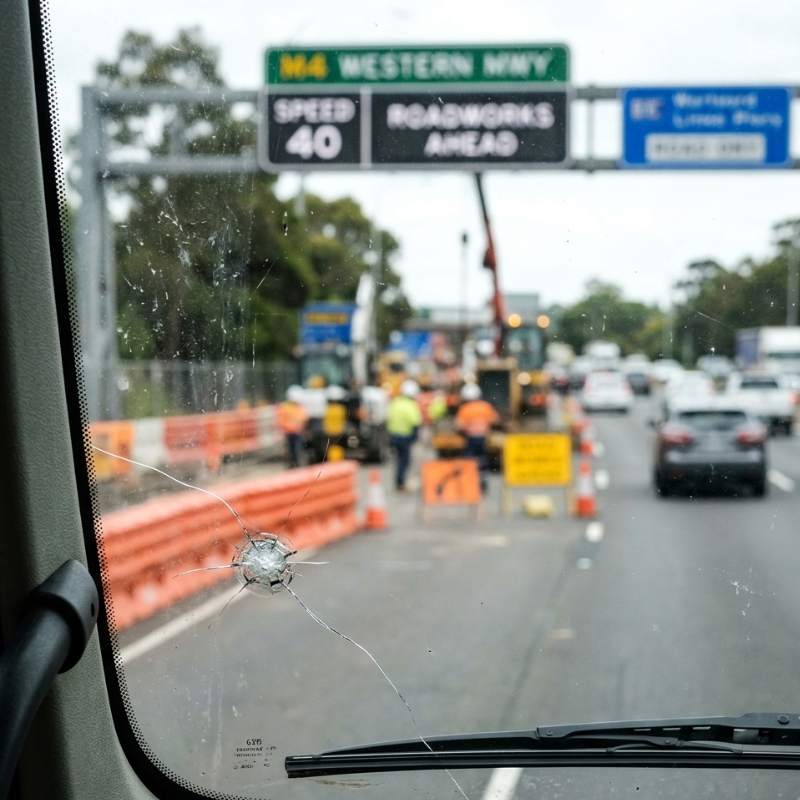
If you drive trucks around Sydney long enough, windscreen damage stops feeling like “bad luck” and starts feeling inevitable—sometimes becoming a truck windscreen replacement job sooner than you’d expect. One week it’s a tiny stone chip on the M7. The next, it’s a long crack creeping across the glass after a hot day, a cold blast of air con, and a few kilometres of rough road.
The truth is: most truck windscreen cracks follow a pattern. Impacts create the starting point. Vibration and flex keep “working” on that weak spot. Temperature changes speed up the spread. And the windscreen’s edges and existing stress points decide where the crack wants to go next.
This guide breaks down the real causes of truck windscreen cracks in Sydney, what crack shapes can tell you, and practical prevention habits you can use on the road and in the yard.
Why truck windscreens crack more often than you’d expect
Truck windscreens are laminated glass: two layers of glass with a plastic interlayer designed to hold together on impact. That makes them safer, but it doesn’t make them immune to cracking.
Trucks also live in conditions that encourage crack growth:
• More kilometres and more time exposed to debris
• Higher likelihood of roadworks zones, loose gravel and heavy spray
• More vibration from suspension, tyres, driveline, and rough surfaces
• Cab movement and chassis flex that “loads” the glass in ways passenger cars rarely experience
• Bigger, more upright glass areas that catch impacts and wind pressure
A chip that might stay small in a lightly-used car can turn into a spreading crack in a working truck—especially if the impact happened near an edge or corner where stress concentrates.
Why cracks can spread without a second impact
Many drivers assume a crack that grows overnight must have been hit again. Often it’s simply the combination of:
• an existing chip or micro-crack
• vibration and flex
• temperature swings (sun, cold mornings, air con)
• moisture and contamination inside the damage
Cause 1: Road debris impacts (stone chips and strikes)
Sydney’s major routes can be hard on glass: constant roadworks, resurfacing, and heavy vehicles carrying aggregate mean loose stones are common. A small rock doesn’t need to be big to cause damage—it just needs the right angle and enough speed.
Common debris scenarios include:
• following too close behind tippers, concrete agitators, and trailers carrying rubble
• overtaking near unsealed shoulders or fresh roadworks
• gravel kicked up in merging lanes
• debris flicked by tyres during wet weather (water helps stones “travel”)
Even a tiny impact can create a weak spot in the outer layer. From there, the crack can grow without another hit—especially if vibration and temperature changes keep stressing the area.
Q&A: Why did my windscreen crack days after a stone chip?
Because the chip created a stress concentrator. The glass around the chip is already compromised. Every bump, pothole, door slam, and temperature change can open that damage a fraction more until it becomes a visible crack.
Cause 2: Road vibration and cab shake (the crack “multiplier”)
Vibration doesn’t usually start the damage, but it’s one of the biggest reasons truck windscreens keep cracking after the initial chip.
Think of a chip as a tiny tear in fabric. Vibration is the repeated tug that turns it into a rip.
Vibration sources that matter in trucks include:
• corrugations and patched surfaces
• potholes and sharp expansion joints
• worn shock absorbers and suspension components
• out-of-balance wheels or damaged tyres
• rough braking and frequent kerb strikes
• heavy loads amplifying chassis movement
Over time, vibration causes microscopic movement at the damaged spot. That movement can extend the crack tip, millimetre by millimetre, until it suddenly becomes “obvious” to the eye.
What makes Sydney a vibration hotspot?
Sydney’s mix of motorways, tunnel transitions, frequent lane changes, and ongoing works means you can go from smooth asphalt to patched sections quickly—often with heavy braking, merging, or uneven surfaces right when your windscreen is already under stress.
Cause 3: Stress points and edge weakness (why cracks love the perimeter)
If you’ve ever seen a crack start from the edge and run inward, you’ve seen stress concentration in action.
The edges of a windscreen are structurally sensitive for a few reasons:
• The glass is cut to shape, and the edge finish can contain micro-defects
• The bonding area (urethane) and frame support can create uneven pressure points
• Corners experience higher stress due to geometry (stress “piles up” there)
Edge-origin cracks tend to spread faster and further than centre-origin chips because the perimeter is already a high-stress zone. In trucks, cab movement can increase the edge loading.
Q&A: Why do cracks often start near the bottom corners?
Corners are where stress concentrates, and the lower edge is close to the body structure, wiper movement, and road vibration. Small edge flaws can propagate quickly when the cab flexes and the glass is under wind pressure.
Cause 4: Thermal stress and temperature shock (sun + air con + cold mornings)
Glass expands when it heats and contracts when it cools. A windscreen in the Sydney sun can get much hotter than the surrounding air. Then you jump in, blast cold air con onto the glass, or drive into a cool tunnel—suddenly the glass is experiencing a rapid temperature gradient.
On an undamaged windscreen, that’s usually fine. On a windscreen with a chip or micro-crack, thermal stress can be the final push that turns damage into a long crack.
Thermal shock is more likely when:
• The truck has been parked facing direct sunlight
• You use high fan speed with very cold air aimed at the glass
• Cold water hits a hot windscreen (washing, rain after heat)
• Winter mornings meet a heated demister too aggressively
A practical habit that helps
If you suspect a chip is present, avoid extreme temperature changes on the glass:
• Start air con gradually rather than full-cold on the screen
• Use the demister in steps instead of max heat immediately
• Avoid pouring water on hot glass
Cause 5: Installation stress, fitment issues, and prior repairs
Not all cracks are caused by a rock. Sometimes the windscreen is already under stress because it’s not seated or supported evenly.
Fitment-related crack contributors include:
• uneven adhesive bead height, creating point loads
• glass twisted slightly during installation
• frame corrosion or deformation, causing uneven support
• hardware, trims, or clips pressing against the glass
• previous repairs that left hidden stress at the edge of the damage
These issues can create “stress cracks” that look different from impact cracks: they may start at the edge with no obvious chip, or appear as a long single line without the classic star/bullseye impact signature.
Q&A: How can I tell if it’s impact damage or a stress crack?
Impact damage usually has a visible “chip point” (a small crater) with a bullseye, star, or combination pattern. Stress cracks often start from an edge, look like a single clean line, and may appear without an obvious impact point.
Crack patterns: what the shape can tell you
Crack shapes are clues. While you can’t always diagnose perfectly from shape alone, patterns can point you in the right direction.
Impact signatures (usually debris-related)
• Bullseye: circular damage, often from a direct hit
• Star break: multiple short cracks radiating from an impact point
• Combination break: mix of star + bullseye features
These often start with a clearly visible chip or “crater” on the outside glass surface.
Stress and propagation patterns (often vibration/thermal/edge-related)
• Long single crack: commonly grows from a chip after vibration/temperature cycling
• Edge crack: starts at the perimeter and moves inward, sometimes with no obvious chip
• Floater crack: begins in the middle area (less common), can be due to hidden impact or stress
If you want a simple way to judge the likely cause and urgency based on the pattern and location, use this truck windscreen crack assessment guide as a practical reference point.
Why do small chips turn into long cracks in trucks
A stone chip becomes a long crack when the conditions keep feeding stress into the damaged area.
The most common “crack growth recipe” looks like this:
• chip occurs (often near the edge)
• truck hits repeated vibration (rough sections, potholes, corrugations)
• temperature swings happen (sun, tunnels, air con, demister)
• moisture/dirt enters the chip
• crack tip advances until it crosses a threshold and suddenly “runs”
That’s why the same chip can behave differently:
• A lightly used vehicle might keep the chip stable for weeks
• A working truck might see the chip turn into a crack in a day
Q&A: Can slamming the door make a crack spread?
It can, especially if there’s existing damage. Door closure changes cabin pressure and can flex the body slightly. On an already-chipped windscreen, that extra stress can move the crack tip forward.
Sydney-specific risk factors that quietly increase cracking
Even if you drive carefully, the local environment matters.
Roadworks and resurfacing exposure
Sydney often has active work on major routes. Freshly laid surfaces and loose aggregate increase chip risk. Lane shifts and temporary markings can also mean you’re closer to debris flicked by vehicles around you.
Tunnels and rapid temperature changes
Repeated transitions between warm sun and cooler tunnel air can contribute to thermal cycling—especially if your windscreen already has a weak spot.
Heavy rain and spray
Wet weather increases debris travel. Water can carry fine grit and tiny stones that still strike hard at motorway speeds.
Stop-start freight and tight turns
Urban delivery work adds twisting loads and frequent steering input, which can combine with cab flex and vibration in ways that stress glass—particularly near edges and corners.
Prevention: habits that reduce chips and slow crack growth
You can’t eliminate risk, but you can reduce it and slow down damage so a chip doesn’t become a spreading crack at the worst time.
On-road habits
• Increase the following distance behind trucks carrying rubble, gravel, and construction materials
• Avoid sitting beside vehicles on rough sections where tyres flick debris sideways
• In roadworks, choose the smoothest line and avoid straddling loose shoulder material
• Reduce speed slightly on patched surfaces and harsh joints (less vibration input)
• Avoid harsh kerb strikes and potholes when possible—especially if you already have a chip
Temperature habits
• Don’t blast full-cold air con directly onto hot glass
• Use the demister in steps instead of max heat immediately on cold mornings
• Avoid washing a hot windscreen with cold water right after parking in the sun
Yard and maintenance habits
• Keep wipers in good condition (damaged wiper edges can scratch and worsen visibility around chips)
• Check suspension wear—excess vibration accelerates crack growth
• Inspect windscreens regularly so chips are caught early
If you’re building driver routines for Sydney runs, you can fold these habits into your daily checks using this Sydney truck windscreen crack prevention resource.
When a crack becomes a safety and compliance issue
A crack is not just cosmetic when it affects visibility, sits in the wiped area, or has the potential to spread quickly.
In heavy vehicles, inspections and safety frameworks focus on whether damage interferes with the driver’s view, whether there are sharp edges, and whether defects are likely to worsen. For a recognised heavy-vehicle reference point, consult the National Heavy Vehicle Regulator’s inspection guidance here: NHVIM windscreens and windows guidance.
High-risk crack scenarios (treat as urgent)
• cracks in the driver’s primary viewing area (especially within the wiper-swept zone)
• edge-origin cracks that are actively growing inward
• multiple chips/cracks creating a “network” of weakened glass
• damage near sensors/cameras where visibility or system function may be affected
• any crack that noticeably distorts light at night or in wet conditions
What to do immediately after you notice a chip or small crack
This won’t “fix” the damage, but it can reduce the chance of rapid spreading before you get it properly assessed.
• Don’t touch the chip with oily fingers (contamination makes assessment harder)
• Avoid sudden temperature changes (air con and demister extremes)
• If safe, gently clean around the area and keep it dry
• Avoid high-vibration routes where possible until it’s assessed
• Monitor whether it’s changing length or branching
Q&A: Is it okay to put tape over a chip?
Tape can keep dust and moisture out temporarily, which may help prevent contamination. Just avoid pushing hard on the glass or trapping grit under the tape.
How to decide if it’s time to replace rather than “watch and wait”
A lot of drivers try to buy time, especially if the crack is small. The risk is that cracks rarely stay polite: once they start moving, they can run quickly—often after vibration, heat, or a sudden temperature change.
As a rule of thumb, replacement becomes more likely when:
• the damage is in the driver’s wiped area or distracting line of sight
• the crack is growing, branching, or starting from an edge
• There are multiple defects close together
• visibility is compromised at night or in the rain
• the damage sits near critical areas (edges/corners or near tech/sensors)
If you want a simple “yes/no/maybe” framework for that call, refer to when a windscreen needs replacing and apply it to the crack’s location, pattern, and whether it’s actively spreading.
Fleet-angle: why prevention saves downtime, not just glass
For fleets, the real cost of windscreen cracking isn’t only the glass—it’s downtime, route disruption, compliance risk, and driver safety exposure.
Small changes in routine can make a measurable difference:
• driver training on the following distances behind aggregate and construction vehicles
• route planning that avoids the roughest surfaces when practical
• scheduled windscreen inspections (quick, consistent, and logged)
• maintenance focus on vibration drivers (tyres, suspension, wheel balance)
When these habits are consistent, you tend to see fewer “surprise” cracks that become urgent at the worst moment.
FAQs
Can road vibration crack a truck’s windscreen by itself?
Usually, vibration doesn’t create the initial damage, but it can make an existing chip or micro-crack grow into a visible crack—especially on rough surfaces or with worn suspension.
Why do cracks start at the edge of the windscreen?
Edges and corners are natural stress concentrators. Small imperfections, uneven support, or bonding pressure can make the perimeter a high-stress zone where cracks initiate and spread faster.
Does heat or air conditioning cause windscreen cracks?
Heat and air conditioning don’t usually start cracks on their own, but rapid temperature change can trigger crack growth from existing chips. A hot windscreen cooled quickly (or a cold screen heated quickly) is a common accelerator.
What makes a stone chip turn into a long crack?
Most often, it’s a combination of vibration, temperature cycling, moisture/contamination, and where the chip sits (near an edge and corners are higher risk). Trucks amplify these factors through kilometres, load, and cab movement.
Are some crack shapes more dangerous than others?
Edge cracks and cracks in the driver’s wiped area are often higher risk because they spread quickly and can interfere with visibility. Multiple chips/cracks can also weaken a large area of the glass.
If the crack isn’t in my direct line of sight, can I ignore it?
It might still be a problem if it’s in a wiper-swept zone, likely to spread, or affects visibility in rain or at night. Heavy-vehicle inspection guidance focuses on visibility and defect severity, not just whether you “can see around it.”