
What Type of Windscreen Damage Leads to Full Replacement?
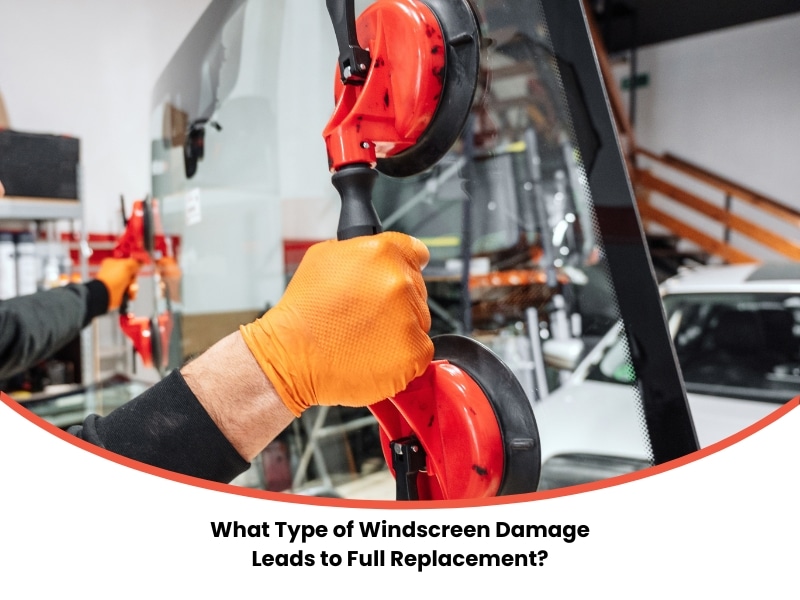
The kind of windscreen damage that usually calls for a full replacement is cracking that spreads across your view, edge damage that can’t be contained, or chips that are too big for safe repair. Your windscreen isn’t just a bit of glass keeping the bugs out. It’s part of your car’s safety system, helping the airbags do their job and holding the roof firm in a crash. But too many drivers brush off little chips and cracks until they’ve grown into something worse. The tricky part is knowing where the line is: when can you repair it, and when is a full replacement the safer bet? If you ignore it, you’re gambling with both your visibility and your wallet. In this guide, you’ll see the early signs to watch for, why waiting is a mistake, and how Aussie standards set the rules for when repairs just don’t cut it.
What are the first signs of windscreen damage drivers should look for?
The first warning signs are chips, cracks, scratches, or hazy patches that mess with your view or weaken the glass. Most drivers miss the early signs, or worse, dismiss them. That’s risky business.
- Chips often look like a tiny starburst or bullseye mark.
- Cracks can snake outwards from one point or creep along the edges.
- Scratches don’t seem serious, but they can blind you at night when lights hit them.
- A cloudy look or discolouration hints at weakened glass.
The danger is thinking “it’s only small.” A stone flick today can grow into a crack tomorrow, especially with Aussie summer heat expanding the glass. Even hitting a pothole or slamming the door hard can turn a small blemish into a bigger problem. Spotting these signs early means you won’t be left paying through the nose later.
Why does leaving windscreen damage untreated increase risks and costs?
Putting off windscreen repairs usually ends up costing more because the damage spreads and leaves the glass unsafe.
- Repairs cost more once cracks spread past a repairable size.
- Your safety drops fast as the glass loses strength.
- Cracks reduce visibility, especially when the sun’s low on the horizon.
- In a crash, a weak windscreen can shatter and mess with airbags.
It’s not just about money. If police notice a damaged windscreen, you could be slapped with a fine or a defect notice on the spot. Think of it like driving around with bald tyres — you might get away with it for a while, but you’re asking for trouble. That’s why getting it fixed early with efficient solutions for windshield replacement makes more sense than waiting for it to blow out.
How do small chips differ from severe cracks in a windscreen?
Small chips can usually be repaired if caught early, but longer cracks often mean the whole windscreen has to go. Not all glass damage is the same. Chips and cracks have very different impacts.
- Chips often come from stones flicked up by traffic.
- Cracks can form due to heat stress, bumps, or pressure changes.
- Chips can often be stopped in their tracks if treated fast.
- Cracks tend to keep spreading, especially across your line of sight.
Knowing what you’re dealing with helps you make the right call. For a deeper dive into this, consider understanding severe windscreen cracks and repair needs.
When should windscreen damage be repaired instead of replaced?
Damage can usually be repaired if the chip or crack is small, shallow, and not sitting in your direct line of sight. Whether it’s repair or replace comes down to size, depth, and location.
- A chip smaller than a 10-cent coin is usually repairable.
- A crack shorter than 3cm may still be fixed.
- Damage outside your main view is more likely to be repairable.
- Edge cracks or multiple hits usually mean replacement.
Here’s a quick guide:
| Damage Type | Likely Action | Reason |
| Small chip (<10c coin) | Repair | Doesn’t affect structure |
| Short crack (<3cm) | Repair | Localised and controllable |
| Long crack (>3cm) | Replace | Weakens glass strength |
| Edge crack | Replace | Risk of spreading |
| Multiple chips | Replace | Structural compromise |
Knowing these rules helps you avoid paying for a replacement when a repair would have been sufficient. And if you want to see where the money goes, it’s worth examining the key factors that shape windscreen replacement costs.
How do Australian windscreen repair standards guide replacement decisions?
Australian standards set the limits for windscreen repairs, including where the damage is, how deep it goes, and how strong the repair must be. Under the Australian Design Rules (ADR), your windscreen must meet strict safety requirements.
- Cracks that sit in your main line of vision are automatic replacement jobs.
- Repairs must restore about 95% of the glass’s strength.
- Some zones, like directly in front of the driver, aren’t allowed to be repaired.
- Excessive scratches or hazing make the glass defective.
Ignore these rules and you’re asking for fines or inspection failures. But it’s not just about red tape — these standards exist because the windscreen isn’t cosmetic. It holds up the roof in a rollover and provides airbags with a solid surface to push against. Meeting the standard means your car is roadworthy and your insurance won’t give you grief.
Can proper maintenance reduce the risk of future windscreen damage?
Good maintenance lowers your chances of windscreen damage by preventing scratches, chips, and cracks before they start. Maintenance makes a massive difference. Drivers who take care of their glass avoid repeat visits to the repair shop.
- Keep a gap from trucks and trailers to dodge flying stones.
- Swap out worn wipers before they grind lines into the glass.
- Park in the shade whenever possible to avoid heat stress.
- Clean with proper glass cleaner, not harsh chemicals.
Skip the basics and you’ll likely see damage again, especially with Aussie weather swinging between heat, dust, and sudden rain. For official word on the risks, the government has issued safety alerts on cracked windscreens.
Final thoughts on protecting your vehicle from windscreen damage
Protecting your windscreen comes down to acting promptly, adhering to safety standards, and knowing when a repair isn’t sufficient. Windscreen damage isn’t a cosmetic problem — it’s a safety issue. Small chips can often be repaired, but large cracks usually require complete replacement. Acting quickly, keeping the glass clean, and paying attention to Aussie safety rules keep you safer and save you money. When you’re weighing up what to do, professional advice can clear things up fast. Find out why Windscreen Replacers is trusted for replacements – we’ve helped plenty of Aussie drivers keep their cars safe and legal.