
Which Windscreen Solutions Are Best for Replacement?
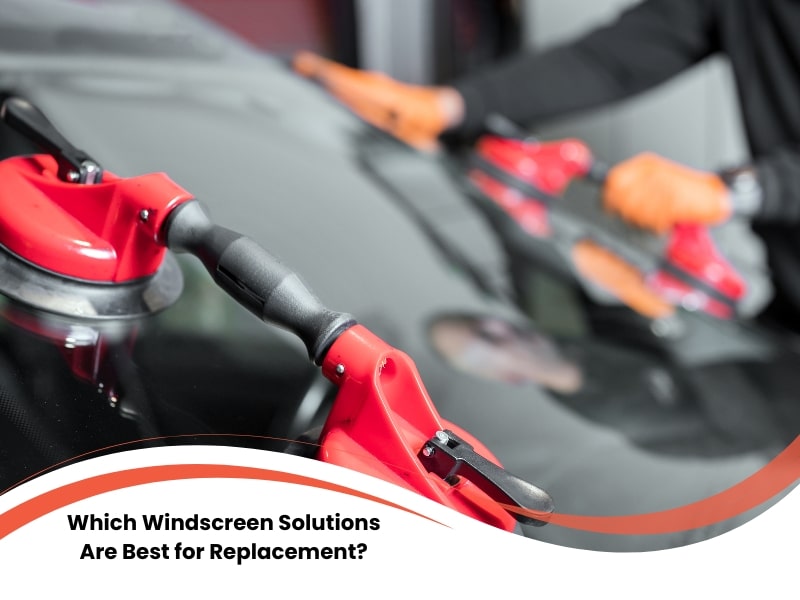
Copping a cracked windscreen isn’t just inconvenient — it’s a serious safety risk. Whether you’ve picked up a stone chip or the glass is spidered from edge to edge, knowing which windscreen solutions will sort it properly matters. You don’t want to be guessing when it comes to visibility and roadworthiness. Aussie drivers deal with all sorts—heat stress, sudden hailstorms, rogue gravel trucks. Your windscreen wears it all. And if you let small chips slide, it doesn’t take long for them to become more than a cosmetic concern. So, which solutions work best when you’re staring through a web of cracks? Let’s dig into your options and help you make the right call next time your windscreen cops a hiding.
What types of windscreen solutions are available for repairing chips and cracks in windscreens?
There’s no shortage of fixes out there, but they’re not all made equal. Some minor damage can be addressed with resin repairs, while others require a complete replacement. The trick lies in knowing where that line is. Common options:
- DIY kits you can grab off the shelf. They’re cheap but often patchy and short-lived—fine in an emergency, but never a long-term solution.
- Pro resin repair, where technicians use a UV-cured compound to restore strength. A better option when the damage is fresh.
- Full-glass replacement is ideal when cracks run long or sit in the driver’s line of sight. Replacement glass must meet Australian safety standards.
Chips that are smaller than a $2 coin can often be saved. But anything bigger, deeper, or in critical zones will usually need the whole panel swapped out. Not acting early is what gets drivers in strife.
If left alone, small chips stretch with every pothole and temperature change. That’s where efficient solutions for managing the cost of windscreen replacement can really come in handy—fix it right, the first time, before it snowballs.
How do windscreen solutions extend the life of a damaged windscreen?
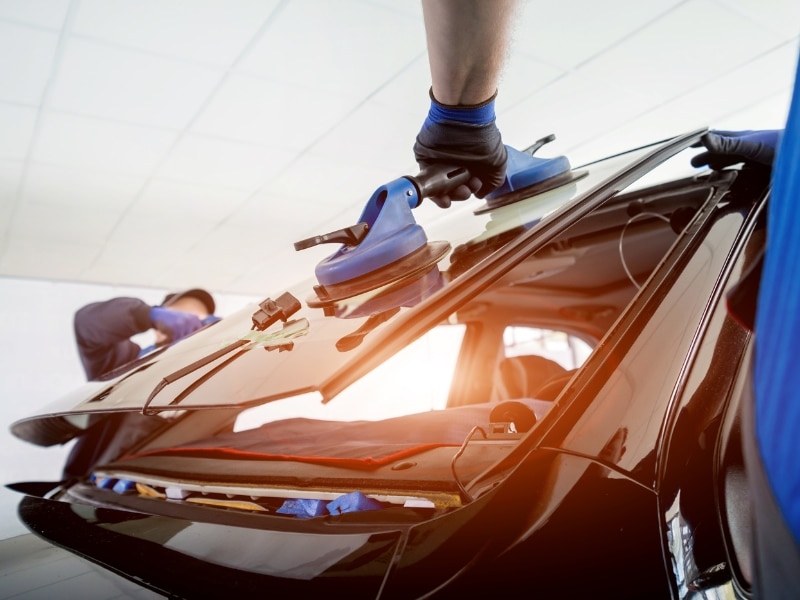
Repairing damage properly means more than stopping the spread. It preserves your windscreen’s structure, keeps the seal intact, and avoids future failures. Why pro repair matters:
- Maintains the factory seal, which is crucial for roof support in the event of an accident. The original fit helps prevent leaks during heavy rain.
- Stops dirt and moisture from creeping in. Moisture can freeze or expand, making cracks worse in colder climates.
- Reduces the chance of needing complete replacement down the track. That means fewer trips to the workshop and less disruption.
It’s tempting to try fixing it yourself, especially with DIY kits so easy to find. But technique matters a lot. Without the right tools and experience, you could accidentally trap air pockets or contaminate the resin bond. That’s the risk with DIY windscreen replacement—it can backfire. The flaws might not be apparent immediately, but under stress, they’ll reveal themselves quickly.
Why are mobile services essential for windscreen replacement?
Sometimes, getting your car to a workshop isn’t an option. Whether it’s unsafe to drive or you’re flat out with work, mobile windscreen services let the fix come to you. Benefits of mobile work:
- Safe repairs at home, the office, or roadside. Perfect for busy parents or shift workers who can’t get away.
- No towing or risky drives needed. That’s especially useful if the crack obstructs your field of view.
- Quick turnaround with professional results. Many mobile teams can finish jobs within an hour or two.
Most mobile service vans carry all the tools and technology required for both repair and replacement. In many cases, they’ll also handle ADAS calibration on-site, which saves another trip. Avoiding travel with a compromised windscreen isn’t just convenient—it’s smarter. Driving with cracks reduces visibility and weakens your vehicle’s frame in a crash. Mobile fixes mitigate those risks without disrupting your schedule.
What role does ADAS calibration play in safe driving after replacement?
Cars aren’t what they used to be. Many now rely on cameras and sensors mounted to the windscreen. When that glass gets replaced, those systems lose alignment—and that can be dangerous.
ADAS calibration is vital to:
- Ensure lane assist and emergency braking work as intended.
- Realign the sensors with your new glass.
- Meet compliance and insurance requirements.
This isn’t something you can eyeball. Calibration requires specialised tools and training, and skipping it could render your safety systems ineffective. That’s not a risk you want to take at 110 on the freeway. Most decent providers now offer post-replacement calibration, either at their site or via mobile. Don’t assume it’s automatic, though—always confirm it’s part of the job.
When should you choose replacement for side or rear car windows?
When damage extends beyond the windscreen, such as the side or rear windows, it’s a different ballgame. Windscreen Replacers focuses exclusively on front windscreen repairs and replacements. But here’s what to know generally:
- After break-ins or vandalism, thieves typically target rear windows, which often require rapid replacement.
- Following a collision or flying debris. Even a low-speed impact can cause the entire panel to collapse.
- If the window motor jams and strains the glass. That pressure can lead to hidden fractures over time.
Unlike your windscreen, these panels can’t be patched. A smashed side window is a security issue—not to mention a comfort one in bad weather. Once replaced, you’ll want to clear out all glass fragments safely. And since visibility is king on the road, it is essential to know that cleaning car windscreens is just as helpful in maintaining the rest of your vehicle’s glass.
Does insurance usually cover professional windscreen solutions?
For most Australian drivers with comprehensive cover, windscreen repairs or replacements are typically included. But not all policies are equal, and it pays to check the fine print. Insurance quirks to note:
- Many insurers offer one “free” windscreen claim annually. Some require a preferred repairer.
- Some apply a smaller excess for glass-only claims. Others waive it altogether under specific tiers.
- Others limit you to their preferred repairers. Choose carefully, or you may incur out-of-pocket costs.
Not all policies include ADAS recalibration, so make sure to clarify before booking. And if you choose an unapproved provider, you may incur the cost. In NSW, you’ll also want to stay up to date with vehicle safety and registration requirements to avoid hassles come registration time.
Final thoughts on choosing the right windscreen solutions
When it’s time to sort a cracked or broken windscreen, don’t cut corners. Picking the right solution means weighing up the damage, your vehicle’s tech, and your insurance setup.
To recap:
- Small chips? Resin repairs are usually enough.
- Long cracks or edge damage? Go for a full replacement.
- Pressed for time? Book a mobile service with calibration.
- Claiming through insurance? Know your cover first.
If you’re stuck choosing or just need a second opinion, the guidance from Windscreen Replacers is always available—no fluff—just practical advice to help you make the safe call.