
Windscreen Repair & Damage
How Long Does a Windscreen Replacement Actually Take?
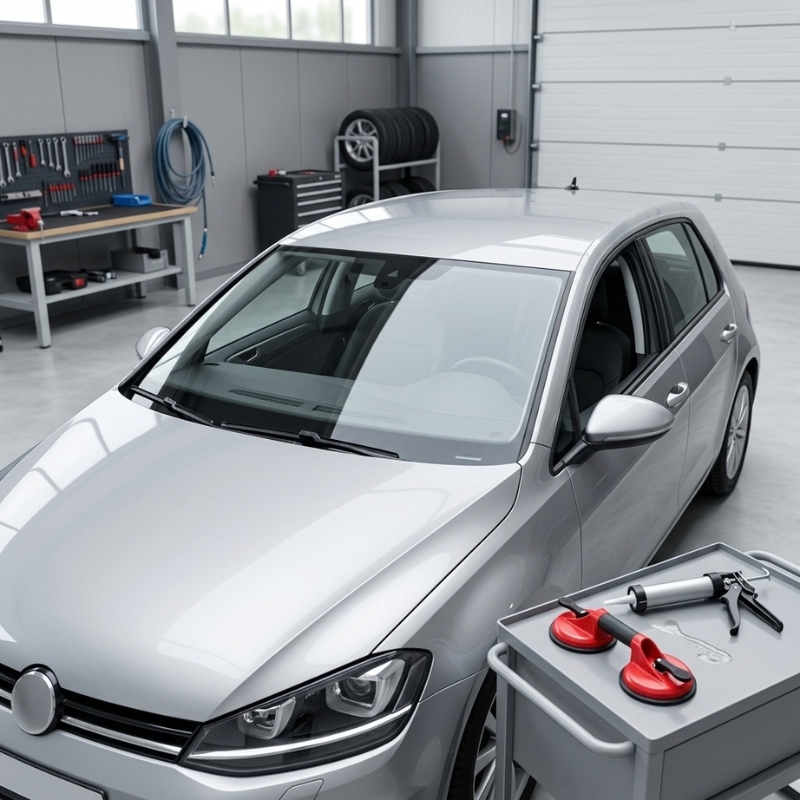
Most car windscreen replacements take about 60 to 90 minutes to fit. The longer part is the adhesive cure: the vehicle usually needs to sit for at least an hour after fitting before it is safe to drive, and longer in cold or wet weather. Plan on half a day rather than an appointment slot.
When you search how long a windscreen replacement takes, you are usually trying to plan your day, not satisfy your curiosity. The short answer: the fit itself on a standard car is usually under two hours, and the wait afterwards for the adhesive to cure is the part most people have not planned for. At Windscreen Replacers, a Sydney replacement is rarely the all-day job people fear, but you cannot drive off straight away either. This article separates the three things that get tangled together: fit time, cure time, and what changes both.
The two clocks that run on a windscreen job
Two separate clocks run on every windscreen job, and they are not the same clock.
- Fit time is the technician working on the car.
- Cure time is the adhesive hardening until the bond is strong enough to be safe.
Fit time is something a skilled technician controls, and the 60 to 90 minutes above is normal for a standard car. A windscreen chip repair is a much shorter job than a full replacement, because nothing is being bonded structurally and there is no cure to wait on. Cure time, though, is the clock nobody can rush. When you are told how long you will be without the car, that figure should be the two clocks added together.
What happens in the hour the technician is working
Here is what the technician is doing during that hour or so, in order.
- Protecting the car: the bonnet, dashboard and A-pillar trim are covered.
- Removing the wipers and cowl to expose the edge of the glass.
- Cutting the old screen free from its urethane bed rather than prising it out.
- Cleaning the pinch weld back and checking the bare metal for rust, the step that decides whether the new bond holds.
- Priming the pinch weld and the new glass.
- Laying a fresh, continuous bead of urethane.
- Setting the new screen with suction lifters.
- Refitting the trim and wiper arms.
- Running a water test to confirm there are no leaks.
This is where a cheap job cuts corners, almost always by bonding onto a dirty or rusted pinch weld. It looks finished on the day and fails quietly later.
Why the pinch weld check can add time
If the technician finds rust under the old bead, the job changes. It stops being a glass job and becomes a metal one first: the corrosion has to be cut back and the bare steel primed before anything is bonded to it, and that genuinely adds time. A technician who finds rust should tell you before carrying on, not afterwards. It is also worth asking a question if a replacement on an older car comes in suspiciously fast, since the pinch weld is the step most easily skipped.
Cure time, and what safe drive-away time actually means
Cure time matters because the windscreen is a structural part of the car, not just a window. The bonded glass helps the roof hold its shape in a rollover and gives the passenger airbag something firm to push against. The Australian Design Rules treat the windscreen as part of the vehicle's safety structure, which is why driving before the adhesive has cured is a safety question, not a cosmetic one.
Safe drive-away time is the point at which the bond will hold under those loads, not the moment the glass feels stuck, which comes much earlier. How long it takes depends on the adhesive, the temperature and the humidity, so there is no universal figure. The guide is at least an hour, but the number that applies to your car is the one your fitter gives you, based on the adhesive manufacturer's own published safe drive-away guidance. Ask for it before the technician leaves.
What slows the cure down
A few everyday conditions stretch the cure out. Cold mornings slow the chemistry, so a winter fit cures more slowly than a warm afternoon. High humidity changes the rate too. Rain is the big one: the joint cannot be wet when the bead goes down or while it cures, because water in the bond stops the adhesive setting. Even where the car sits matters, as deep shade on a cold day cures slower than the open. This is why a mobile fit in wet weather needs shelter, a carport or garage rather than an open driveway. Ask about shelter when you book a mobile fit on a wet day.
Jobs that take longer than the standard hour and a half
Not every windscreen is a standard hour-and-a-half job. Several features common on modern and heavy vehicles add time, and it helps to know which apply before you book.
| What is different | Why it adds time | What to allow |
|---|---|---|
| A camera or sensor behind the glass | It has to be recalibrated after fitting | Longer than a standard fit |
| A heated screen or heated wiper park | The electrical connections transfer to the new glass | A little extra time |
| An acoustic or laminated side-glass vehicle | The exact part is confirmed before the van is loaded | Allow time for part confirmation |
| A European prestige vehicle | Trim clips break if rushed, so the strip-down is slower | Longer than a standard fit |
| A truck or heavy vehicle | A split screen can sometimes be half-replaced, a single-piece screen cannot | Allow extra time |
| A vehicle with pinch-weld rust | The metal is cut back and primed before bonding | Allow extra time |
The truck case is the one most worth checking ahead. A truck windscreen replacement can be a different job depending on whether the vehicle runs a two-piece split screen or a single piece, so the part is confirmed first.
Calibration is a second appointment's worth of work
On a car with a camera behind the windscreen, the glass is only half the job. The camera feeds lane keeping and automatic emergency braking and reads the road through the screen, so once the new glass is in, it has to be recalibrated against a target to see the road at the correct angle. Skip it and those systems work from the wrong reference. Calibration is arranged as part of the replacement rather than left to you, and it is the single biggest reason a modern car takes longer than an older one. Say whether your car has a camera when you book.
How a mobile fit changes the timings
A mobile fit does not change the chemistry, but it changes how the time feels. It removes the drive to a workshop and the wait in reception. In exchange it adds two requirements: room to open both front doors fully and walk the length of the glass, and somewhere sheltered if the weather turns. The quiet advantage is that the cure runs wherever the car sits, so a screen fitted in your work car park cures there while you are at your desk, often faster in practice than a workshop visit even though the fit takes the same time. When you book, name the building, driveway or access arrangement so the technician arrives knowing there is room to work.
How to plan your day around it
You cannot speed up the cure, but you can arrange your day so the wait costs you nothing.
- Book the fit for a time when the car can sit afterwards, such as a morning at work or an afternoon at home.
- Tell the fitter the make, model and build year, and whether there is a camera behind the screen, so the right glass and any gear come on the van.
- Have a sheltered spot ready, a carport or garage, if rain is forecast on the day of a mobile fit.
- Ask for the safe drive-away time for the adhesive used on your car, and get it before the technician leaves.
- Leave any retention tape exactly where it is, since it holds the glass in position while the bond gains strength.
Frequently asked questions
How long does a windscreen replacement take?
Fit time is roughly 60 to 90 minutes for a standard car, plus cure time before the car is safe to drive, so plan on half a day overall. A car with a camera behind the glass takes longer, because the camera has to be recalibrated after the new screen goes in.
Can I drive straight after a windscreen replacement?
No. The adhesive that holds the windscreen in is structural and needs time to cure before the bond is strong enough to be safe in a crash. Your fitter gives you the safe drive-away time for the product used on your car, so wait until that time has passed.
Does cold or wet weather make it take longer?
Yes. Cure time lengthens in cold temperatures and high humidity, so a winter fit takes longer to reach safe drive-away than a warm day. The bonded joint also cannot be wet, which is why a mobile fit in the rain needs a carport, garage or awning.
Is a mobile windscreen fit slower than a workshop?
Usually it is faster in practice. The fit takes the same time either way, but the car cures where it is parked, so a screen fitted at your workplace cures while you work instead of you waiting at a workshop. The technician just needs room and shelter if it rains.
How long does a truck windscreen take?
Longer than a car, and the exact job is confirmed first. A split, two-piece screen can sometimes be half-replaced, while a single-piece screen cannot, so the part is checked before the work is booked. Allow extra time rather than expecting a standard car timeframe.
Plan around the cure, not the fit
The real answer comes in two parts. The fit is the short part, usually inside 60 to 90 minutes on a standard car. The cure is the part to plan around, and the number that matters is the safe drive-away time your fitter gives you on the day for the adhesive used on your car. Arrange the appointment so the car can sit afterwards and the wait costs you nothing. If you want it done at your home, your workplace or your depot, our mobile windscreen replacement in Sydney team will tell you the fit time and the safe drive-away time for your car before anything comes out.